The Ink-Stained Retrenchment: How the Stubborn Ultra-Local Press Outlives the Giants
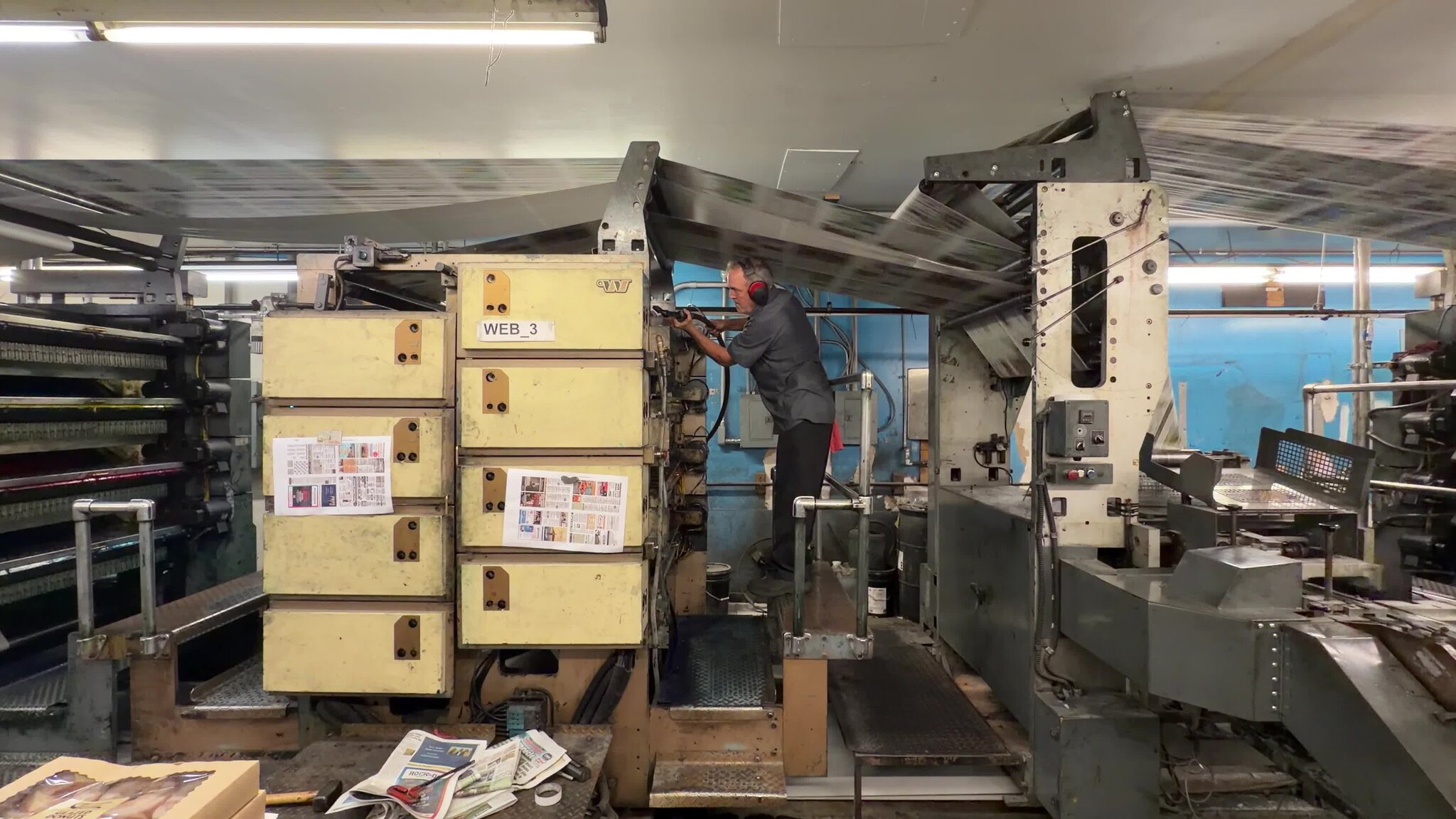
The decline of the American newspaper is usually narrated as a tragedy of scale—a bleak obituary of hedge-fund pillaging, evaporated ad revenues, and digital ghost towns where local democracy once breathed. Yet, in the quiet corners of the country, away from the leveraged buyouts and algorithmic optimization, a different story is being printed. In Glens Falls, New York, a free weekly called The Chronicle quietly defies the prevailing winds of industry collapse. Its survival is not a miracle of high-concept digital pivoting, but rather an exercise in tactile defiance. While metropolitan dailies retreat behind paywalls and hollow out their newsrooms, these independent weeklies remain stubborn, ink-smeared fixtures of the physical world, finding readers not by scaling up, but by digging deep into the micro-geography of their communities.
The engine of this survival is a grueling, near-monastic devotion. To own a successful independent newspaper today is to abandon the luxury of specialization. In these lean, family-scale operations, the publisher is also the lead investigative reporter, the ad salesman, the copy editor, and, occasionally, the delivery driver who flings the bundles onto rain-slicked curbs at dawn. It is an exhausting, hand-to-mouth existence that replaces corporate synergy with raw human sweat. This hyper-local omnipotence creates a unique editorial voice—one seasoned by daily, face-to-face encounters with the very audience it serves. When the person writing the front-page editorial is the same person negotiating a quarter-page ad with the local dry cleaner, the journalism loses its lofty, detached abstraction and gains a sharp, pragmatic accountability.
Ultimately, the enduring appeal of the free weekly reveals a deeper cultural truth: readers still crave a curated, physical civic square. In an era characterized by the disorienting noise of social media feeds and nationalized outrage, there is a profound comfort in a publication that treats a high school zoning board dispute or the opening of a downtown bakery with the gravity of global diplomacy. By refusing to chase the phantom metrics of global scale, small independent papers have preserved something far more valuable—local trust. It turns out that the antidote to the death of print is not more technology, but more presence. In the hands of owners willing to do absolutely everything, the humble local paper remains an irreplaceable artifact of community life, proving that the news is most vital when it is close enough to touch.