Houthi Rebels Claim Red Sea Tanker Attacks as US Launches Fresh Strikes
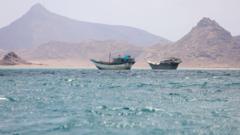
Yemen’s Houthi rebels have claimed responsibility for a series of targeted attacks on oil tankers in the Red Sea, marking a volatile escalation in regional maritime security. According to statements from the Iran-backed group, these strikes represent their first offensive actions in the busy shipping lane since they announced a comprehensive "maritime embargo" against Saudi Arabia. The development coincided with a fresh wave of United States military strikes targeting Iranian-linked assets and Houthi launch sites, reflecting a deepening conflict that continues to threaten one of the world's most vital trade corridors.
The newly declared embargo against Saudi Arabia marks a significant shift in the Houthis' targeting strategy, which had previously focused primarily on vessels linked to Israel, the United States, and the United Kingdom. Military analysts suggest that targeting Saudi-linked commerce threatens to reignite direct tensions between Riyadh and Sana'a, potentially disrupting a fragile peace process that had largely held since 2022. Houthi military spokesperson Yahya Saree asserted that the operations would continue until "the aggression stops and the siege on the Gaza Strip is lifted," warning international shipping firms against cooperating with blacklisted nations.
In response to the escalating threats, U.S. Central Command (CENTCOM) confirmed it had conducted several self-defense strikes within Houthi-controlled areas of Yemen, destroying mobile anti-ship cruise missiles and unmanned aerial vehicles prepared for launch. Concurrently, broader U.S. operations targeted command-and-control nodes linked to Iran's Islamic Revolutionary Guard Corps (IRGC) in the region, aiming to degrade the intelligence and logistical support networks enabling the rebel attacks. "We will continue to take necessary actions to protect international shipping and hold those who threaten maritime security accountable," a Pentagon spokesperson stated following the operations.
The ongoing disruption in the Bab al-Mandab Strait has forced global shipping giants to continue rerouting vessels around Africa’s Cape of Good Hope, adding significant transit times and fuel costs to global supply chains. Key consequences of this prolonged maritime standoff include:
- Escalating Shipping Costs: Maritime insurance premiums for Red Sea transits have skyrocketed, forcing consumer goods and fuel prices upward.
- Geopolitical Strain: The attacks complicate diplomatic efforts between Saudi Arabia and Iran, who had recently engaged in a China-brokered rapprochement.
- Environmental Risks: Targeting fully laden crude oil tankers raises the critical threat of a catastrophic oil spill in the delicate marine ecosystem of the Red Sea.
As diplomatic efforts to de-escalate the crisis remain stalled, the international community faces a complex challenge in balancing military deterrence with the delicate necessity of maintaining regional diplomatic channels to prevent a broader Middle Eastern conflict.