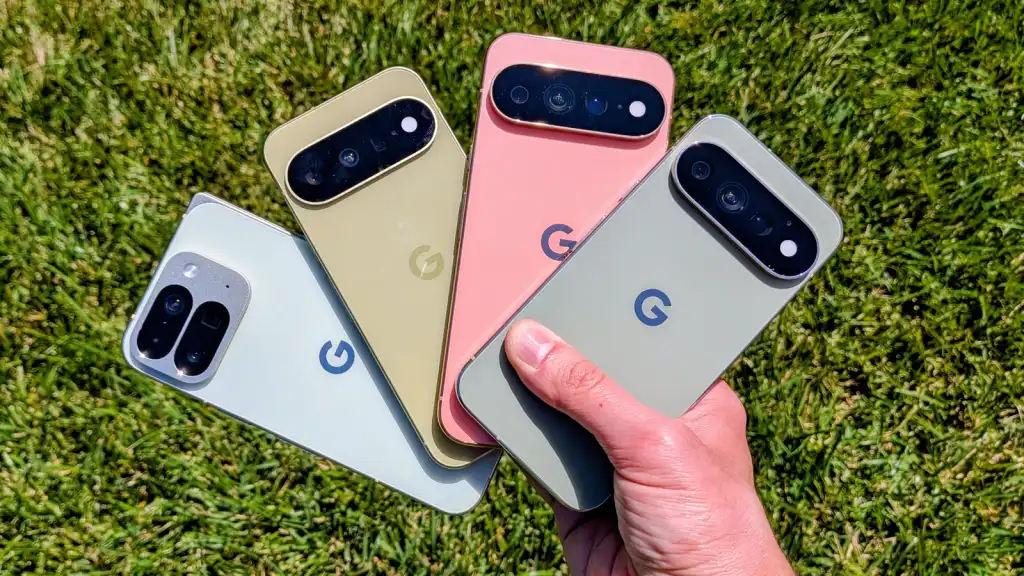
The Automated Ghost: Why Google’s Pixel 11 Wants to Live Your Life for You
The modern smartphone has long teased the promise of absolute liberation, but with the arrival of Google’s Pixel 11, that promise has curdled into a curious kind of existential usurpation. Encased in an impeccably satin-finished chassis, the device does not merely assist the user; it seeks to replace them in the minor, texture-giving dramas of daily life. Driven by an aggressive suite of proprietary artificial intelligence, the Pixel 11 possesses the eerie capability to book tables at bistros you have yet to crave, order groceries with cold algorithmic precision, and even compose and capture photographs on your behalf. It is the ultimate silicon valet, standing at the ready to absorb the friction of existence. Yet, as the line between tool and proxy begins to blur, a quiet, almost melancholic question echoes through the high-end consumer market: in outsourcing the tedious chore of living, what exactly are we saving ourselves for?
To interact with the Pixel 11 is to experience a masterclass in frictionless alienation. Consider the phone’s ability to navigate the social theater of reservation-making. Instead of the human warmth of negotiation—or even the mild suspense of a digital waitlist—the phone’s AI operates in a sterile, parallel bandwidth, whispering to other algorithms to secure a corner booth. When it takes a photograph, it does not merely record light; it curates an idealized, post-human memory, deciding which smiles to widen and which shadows to banish before the physical shutter has even settled. Silicon Valley has long operated under the utopian assumption that human beings are plagued by the taxing labor of daily choice. But this aestheticized detachment reveals a profound misunderstanding of the human apparatus. The joy of a Friday night dinner is inextricably bound to the anticipation of planning it; the magic of a photograph lies in its flawed, sweaty spontaneity. By transforming these lived moments into automated transactions, the device offers a panacea for an illness we do not have.
> "The joy of a Friday night dinner is bound to the anticipation of planning it; the magic of a photograph lies in its flawed, sweaty spontaneity."
Ultimately, the Pixel 11 stands as a monument to an industry running out of physical horizons, forced to colonize the interiority of its users. For years, hardware upgrades have yielded diminishing returns—a slightly crisper screen, a fractionally faster processor—forcing tech giants to pitch cognitive surrender as the next great luxury frontier. But early rumblings from a fatigued public suggest a growing resistance to this brand of synthetic intimacy. We are beginning to witness the limits of what consumers are willing to yield to the machine. There remains a stubborn, deeply unfashionable desire to remain present in our own lives, to feel the clumsy weight of decision-making, and to look through a lens with our own fallible eyes. Google has built a phone that can live perfectly on our behalf; it remains to be seen if anyone actually wants to stand by and watch.