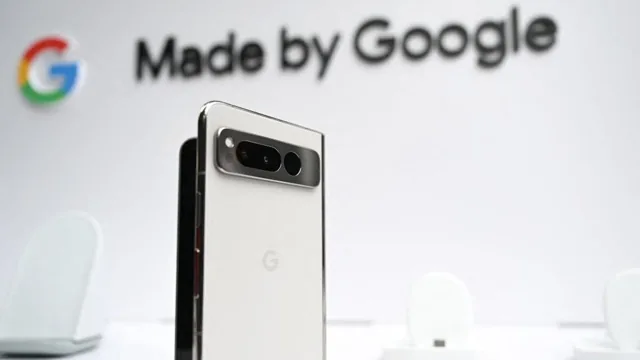
The Price of Silicon: How Scarcity Redefined Google’s Pixel 11
For years, Google’s Pixel lineup existed as the polite, intellectual alternative in a smartphone landscape dominated by Apple’s cultural hegemony and Samsung’s maximalist hardware. It was the choice of the purist—an elegant showcase of clean software offered at a price point that felt almost philanthropic. With the arrival of the Pixel 11, however, that democratic charm has been decisively retired. This year’s suite of devices lands not with a gentle tap on the consumer's wallet, but with the heavy thud of luxury-tier pricing. Google has officially crossed its Rubicon, abandoning its legacy of affordable utility to position the Pixel 11 as a high-end artifact. Yet, this premium pivot is not merely a swaggering branding exercise; it is a calculated response to the invisible, grinding friction of global supply chains.
Beneath the flawless glass and recycled aluminum of the Pixel 11 lies a quiet, unglamorous crisis of physical resources: a severe global shortage of Random Access Memory (RAM). In the tech industry’s relentless rush toward a generative artificial intelligence-powered future, memory has become the ultimate bottleneck. Google’s sophisticated on-device Gemini models demand unprecedented computational muscle, necessitating a massive baseline leap in RAM capacity across the entire Pixel 11 family. However, as silicon foundries struggle to keep pace with this sudden, insatiable demand, the cost of these memory modules has spiked dramatically. It is a sobering reminder that the ephemeral promises of the digital cloud are ultimately bound to the hard, unyielding realities of earthly manufacturing.
> "What was once a democratizing medium is rapidly hardening into a stratified luxury ecosystem, where keeping pace with modern software innovation requires a recurring premium."
Consequently, the consumer is left to foot the bill for this architectural strain. The price hike of the Pixel 11 represents a broader paradigm shift in our relationship with personal technology: the era of the high-performance bargain is officially dead. Silicon has become the new oil, and the giants of Silicon Valley are passing the premium of scarcity directly down the line. In elevating the Pixel 11’s price tag, Google is not merely adjusting for inflation; they are pricing in the vulnerability of our interconnected world. We are no longer just purchasing a gateway to the internet; we are subsidizing the frantic, expensive race to secure the physical building blocks of modern intelligence.