The Architecture of Anticipation: Inside GM’s $4.5 Billion Supply Chain Bastion
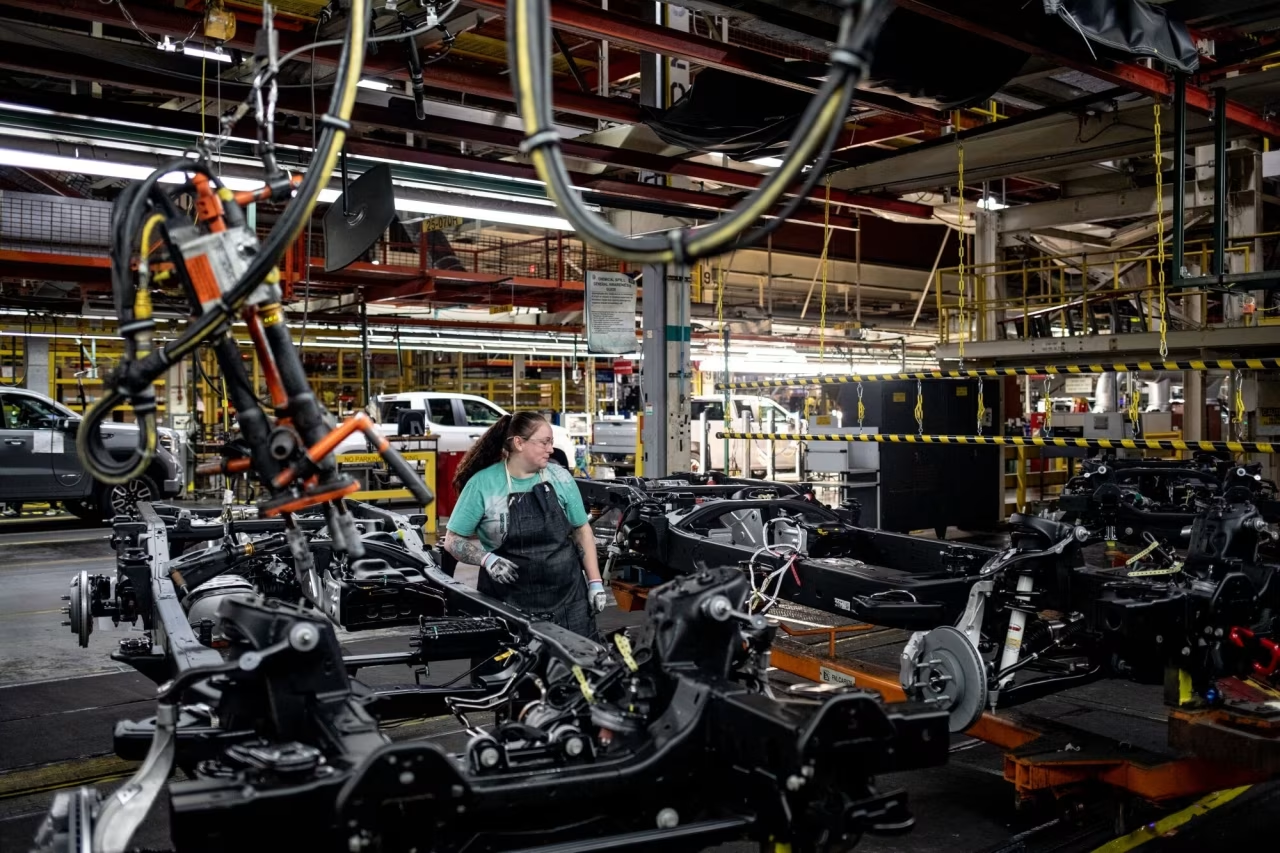
For the modern industrial titan, the post-pandemic era has been defined not by the triumphs of design, but by the quiet terror of the missing component. For years, the assembly lines of Detroit functioned on the knife-edge of "just-in-time" logistics—a hyper-optimized, exquisitely fragile choreography that collapsed spectacularly under the weight of microchip scarcities, maritime bottlenecks, and sudden geopolitical tremors. In a decisive, capital-intensive bid to exorcise these ghosts of production halts past, General Motors has anchored its manufacturing future with a massive parts agreement valued at up to $4.5 billion. It is a monumental defensive maneuver, less a standard procurement contract and more a multi-billion-dollar moat dug around its manufacturing empire to shield it from the capricious winds of global commerce.
This colossal financial commitment represents a profound psychological shift in the executive suites of legacy autodom. Where corporate orthodoxy once dictated that capital remain liquid and inventory minimal, the vulnerability of the last half-decade has taught a brutal lesson: in a disrupted world, resilience is the only currency that truly matters. By securing this vast, preemptive pipeline of essential components, GM is effectively purchasing predictability in an unpredictable epoch. The transaction reflects a broader, systemic retreat from the unbridled, laissez-faire globalization of the late twentieth century, pivoting instead toward a highly structured, insulated pragmatism where key suppliers are bound by golden handcuffs to ensure the factory floors never fall silent again.
The stakes of this logistical fortification could not be higher. As GM navigates a delicate dual existence—sustaining the high-margin internal combustion engines that fund its balance sheet while simultaneously scaling an ambitious electric vehicle portfolio—any disruption in the supply network behaves like a systemic cardiac arrest. A contemporary automobile is no longer merely a mechanical vehicle; it is a rolling, software-reliant supercomputer requiring thousands of highly specialized inputs. This $4.5 billion pact is a stark acknowledgment that in the modern race for automotive supremacy, the ultimate victor will not necessarily be the brand with the most evocative marketing or the most avant-garde aesthetic, but the one that masters the mundane, unforgiving poetry of the supply chain.