The Dehumanizing Theater of the ‘Glee’ Curse
As fans continue to commodify real-life tragedy into digital folklore, series alum Kevin McHale delivers a blistering, necessary correction to the internet’s morbid obsession.
In the cultural landscape of the late aughts, Glee was a hyper-stylized monument to high-camp optimism, a neon-bright sanctuary where adolescent alienation could be neatly resolved in a four-part harmony. Yet, in the decade since the television phenomenon took its final bow, a darker, far more insidious narrative has eclipsed its musical legacy. The internet, with its insatiable appetite for tragedy-mongering, has constructed a grim mythology around the series, packaging the premature deaths of cast members Cory Monteith, Naya Rivera, and Mark Salling into a commodified tabloid parlor game known whisperingly as "the Glee curse." What began as a tasteless fringe conspiracy has metastasized into mainstream digital lore, turning real human grief into fodder for true-crime voyeurs and algorithmic engagement.
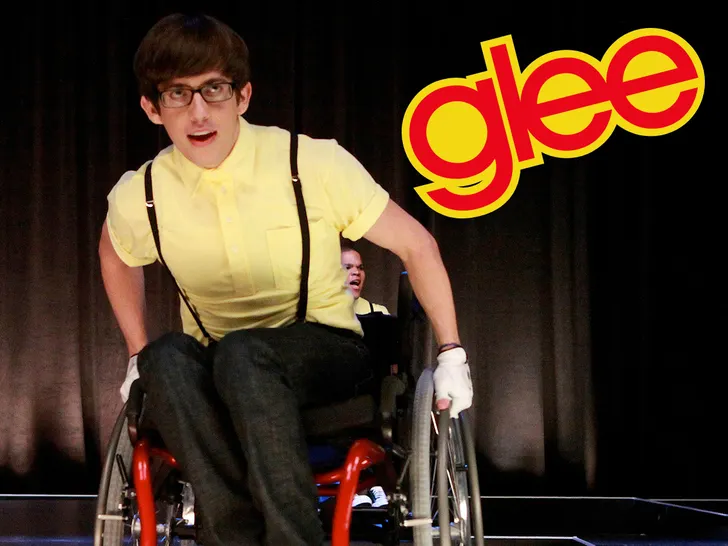
This week, Kevin McHale—who spent six seasons portraying the earnest Artie Abrams—ruptured the polite silence of survival to deliver a blistering, overdue correction to the digital colosseum. Taking to social media platform X, McHale unleashed a rare, raw fury at the spectators who treat the profound losses of his former costars as speculative fiction. His public intervention was not merely an actor defending his peers, but a visceral defense of dignity against the relentless, dehumanizing machinery of online fandom. For McHale, the persistent myth of a "curse" is not an innocent internet obsession; it is a grotesque trivialization of devastating personal losses that continue to haunt those who actually lived through them.
The rage animating McHale’s words exposes a deeper, more troubling pathology of modern media consumption: the parasocial relationship gone rancid. In the digital age, the boundaries of empathy have flattened, transforming public figures into fictional entities whose real-world suffering is expected to adhere to narrative tropes. When Monteith succumbed to addiction, Salling to suicide, and Rivera to a tragic drowning, the internet did not offer quiet mourning. Instead, it demanded a pattern, a gothic taxonomy to satisfy an appetite for the macabre. By reducing these distinct, deeply complex human tragedies to the supernatural inevitability of a "curse," the public absolves itself of the messy, uncomfortable realities of mental illness, systemic pressure, and sudden, random catastrophe.
Ultimately, McHale’s outcry serves as a stark reminder of the human collateral trapped beneath the glitz of pop-culture memory. While the digital crowd searches for patterns in the dark, the surviving cast members are left to navigate the very real, very unglamorous landscape of grief. The true tragedy of Glee is not a supernatural curse whispered about in online forums, but the stark reality of fragile young lives lost in the blinding glare of early-career fame—a reality that deserves the dignity of remembrance, rather than the relentless clickbait of a modern-day ghost story.