The Beautiful, Brutal Candor of Steve Way
Navigating Hollywood’s performative diversity, the raw poetry of disabled intimacy, and the yearning for a cutthroat agent.
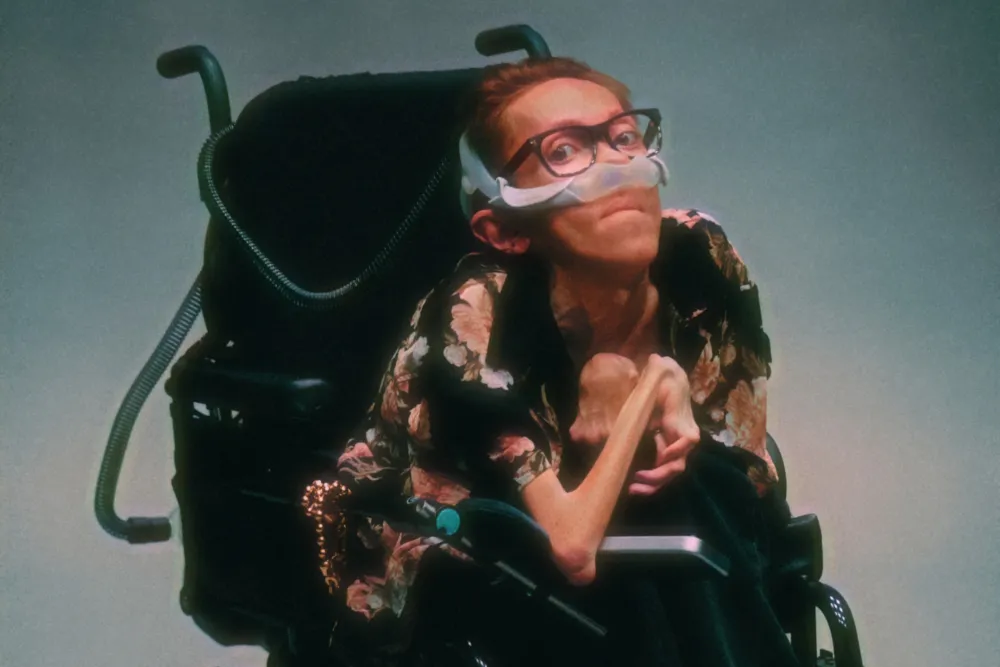
In an industry where public relations departments curate star personalities into smooth, inoffensive pebbles, Steve Way arrives like a jagged piece of flint. The actor, best known for his striking, scene-stealing presence, does not traffic in the platitudes of Hollywood gratitude. Instead, he speaks with a lacerating honesty that feels both thrillingly dangerous and desperately overdue. To publicly brand Ari Emanuel—the formidable, near-mythic executive chairman of WME—a “prick” on the record is not merely a breach of industry etiquette; it is an act of defiance. For Way, who navigates both the physical realities of muscular dystrophy and the existential labyrinth of show business without the traditional armor of a major talent agency, the polite euphemisms of the trade are a luxury he cannot afford. He does not want pity, nor does he want patronizing applause; he wants the transactional machinery of Hollywood to work for him with the same mercenary efficiency it offers others. As he dryly puts it, “I want an agency to whore me out.”
Beneath the provocative humor lies a sharp critique of an entertainment landscape that frequently congratulates itself on diversity while keeping its gatekeepers firmly entrenched. Way’s lack of a dedicated team is symptomatic of a broader, systemic inertia: Hollywood’s tendency to treat disability as a niche, seasonal curiosity rather than a standard dimension of the human condition. While major agencies scramble to sign the next viral influencer, actors like Way are left to negotiate their own worth in rooms that are rarely built to accommodate them, literally or metaphorically. The refusal of the town’s elite representation to actively champion his career reveals the shallow depths of their progressive rhetoric. Way’s demand is simple yet radical: he wants to be commodified, exploited, and packaged with the same rapacious capitalist vigor afforded to his non-disabled peers.
> "Disabled romance is not a tragedy to be wept over, nor is it an inspirational fable designed to make able-bodied audiences feel morally salvaged."
This demand for raw reality extends far beyond his business prospects and into the narrative fabric of his work. Way has become a vocal advocate for the depiction of what he terms "disabled love"—an intimacy that cinema has historically either sanitized into asexual sainthood or ignored entirely. To Way, disabled romance is complex, messy, deeply sensual, and intensely beautiful in its specific vulnerabilities. By demanding that the screen reflect the authentic, unvarnished mechanics of disabled affection, Way challenges the cultural hegemony of the idealized body. He insists that desire, in all its fractured and exquisite forms, deserves the spotlight—not as an act of charity, but as a matter of dramatic necessity.
Ultimately, Way’s crusade is a masterclass in modern self-determination. In refusing to play the grateful recipient of Hollywood’s occasional, guilt-driven largesse, he exposes the industry’s inner machinery as both timid and unimaginative. His voice is a reminder that authentic representation cannot be achieved through cautious corporate initiatives or superficial casting calls; it requires the inclusion of voices that refuse to be sanitized. Whether the town's power brokers are ready to match his audacity remains to be seen, but Way has already redrawn the boundaries of the conversation. He stands not at the margins begging for entry, but at the gates, demanding the full, chaotic, and profitable spectrum of the spotlight.