The Concrete Empire Crumbles: The Reckoning of Hui Ka Yan
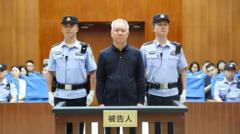
For decades, the skyline of modern China was etched in concrete, steel, and the unchecked ambition of one man. Hui Ka Yan, the erstwhile patriarch of China Evergrande Group, once stood at the absolute zenith of Asia’s gilded elite—a billionaire whose personal fortune was inextricably bound to the feverish expansion of the world's second-largest economy. His sentencing to life in prison is far more than a judicial postscript to a corporate bankruptcy; it is the ultimate, chilling monument to the end of China’s debt-fueled Gilded Age. The sovereign state, having tolerated the dizzying ascent of its entrepreneurial titans, has delivered a definitive verdict on the limits of private ambition when it threatens the stability of the collective.
Hui’s rise was the quintessential parable of the modern Chinese miracle, a trajectory from rural poverty to the helm of a leviathan that, at its peak, held more than $300 billion in liabilities. Evergrande was not merely a property developer; it was an article of faith, a sprawling empire of unfinished high-rises, theme parks, and electric vehicles funded by a Byzantine web of shadow banking and pre-sold dreams. Hui navigated this high-wire act with the bravado of a Gilded Age baron, clad in tailored suits and backed by the tacit encouragement of local officials eager for GDP growth. Yet, when Beijing finally tightened its financial parameters, the grand illusion shattered, revealing a house of cards whose collapse sent tectonic tremors through global markets and left millions of middle-class citizens holding the empty promises of unbuilt apartments.
> "In the eyes of the party-state, no corporate empire is too big to fail, and no tycoon is too powerful to be spared when the ledger of social harmony must be balanced."
The severity of the life sentence reverberates far beyond the courtroom; it is an ideological manifesto translated into punitive action. Under the doctrine of "common prosperity," the state has systematically dismantled the era of unrestrained capital accumulation, reasserting command over the unruly forces of laissez-faire finance. In this restructured landscape, Hui’s fate serves as a grim cautionary tale. The era of the speculative gold rush is officially over, replaced by a austere paradigm where economic stability is paramount, and those who dare to overleverage the nation's future are destined to pay with their freedom.