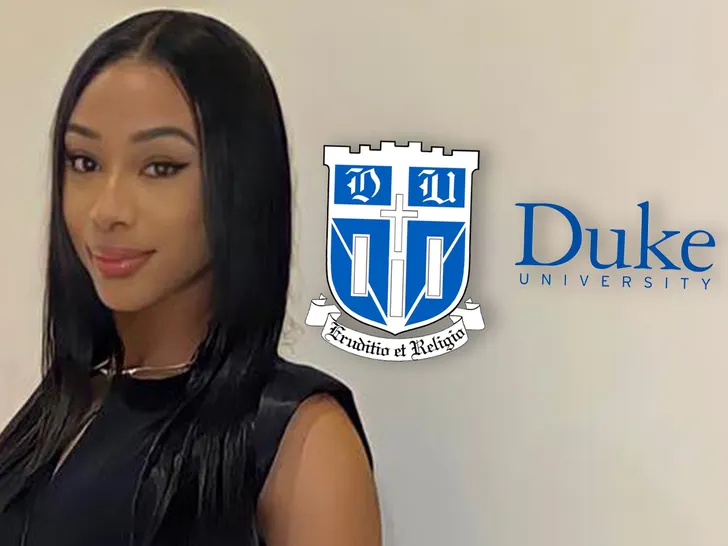
The Architecture of Illusion: Reality TV, High-End Real Estate, and the Fragile Pedigree of Angel Victoria Murdock
In the gilded, hyper-curated theater of the digital age, self-invention is no longer merely a pursuit; it is a high-stakes currency. Enter Angel Victoria Murdock, a woman who, until recently, seemed to have mastered the modern trinity of aspirational success: the sun-drenched allure of high-end real estate, the glittering validation of 300,000 social media disciples, and a brief, highly watched residency on Netflix’s Temptation Island. To browse her digital portfolio was to witness a masterclass in contemporary triumph, anchored by the ultimate credential of intellectual merit—a degree from Duke University. Yet, as is so often the case in the fragile architecture of the online self, the foundation of this enviable brand has begun to splinter under the weight of its own embellishments.
Reports have emerged alleging that Murdock’s academic pedigree is a work of convenient fiction, a prestigious Blue Devil mask donned to navigate the competitive waters of luxury brokerage and prestige television. According to university verification, Murdock’s name is conspicuously absent from the institution's historical registry of graduates—a revelation that transforms her carefully cultivated persona from an enviable success story into a cautionary fable of contemporary hubris. In a landscape where trust is the primary transaction, the fabrication of an elite education is more than a harmless vanity; it is a calculated leverage point. A Duke degree operates as a golden key, designed to disarm wealthy real estate clients and television casting directors alike, assuring them that beneath the telegenic exterior lies an intellect of pedigree.
> "In the influencer economy, a credential is often treated not as a milestone earned, but as an aesthetic asset to be acquired, displayed, and discarded once the spotlight shifts."
There is a delicious, if predictable, irony in the fact that Murdock’s brush with mainstream notoriety occurred on Temptation Island—a cultural sandbox predicated on the fragile nature of fidelity and the ease with which illusions are shattered. For six episodes, she navigated a landscape of manufactured desire, only to find herself ensnared in a very real drama of exposure back in the material world. Her predicament highlights a broader, more insidious cultural pathology: the erosion of objective truth in favor of narrative convenience. We live in an era where visibility is synonymous with viability, and where the pressure to present a seamless, multi-hyphenate existence drives individuals to curate lives that are beautiful, lucrative, and entirely unsubstantiated.
As the digital dust settles, Murdock’s exposure serves as a stark reminder of the gravity that eventually pulls down even the most buoyant of social media balloons. The modern grift is rarely about grand, theatrical thefts; instead, it exists in these quiet, desperate embellishments—the forged line on a résumé, the strategic omission, the digital filter that smooths over the inconvenient gaps in one's history. For Murdock, the challenge now lies not in staging multi-million-dollar listings or captivating a stream of scrolling onlookers, but in confronting an audience that has suddenly looked behind the curtain. In the end, the most difficult temptation to resist is the urge to become the very character one has so meticulously written.