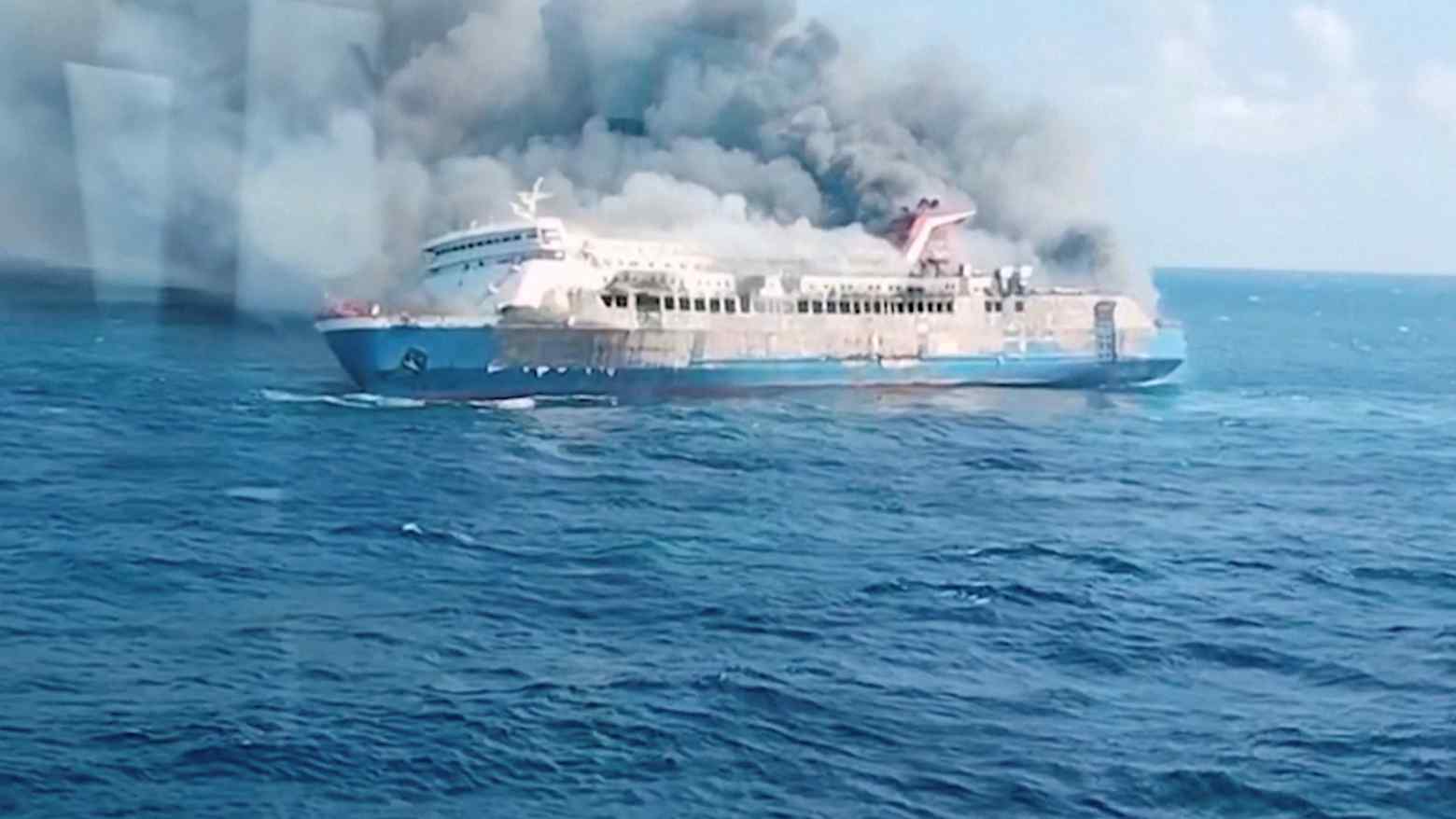
Tragedy on the Java Sea: The Fire Off Madura Island and the Fragile Lifelines of Indonesia’s Archipelago
The Indonesian archipelago is a sprawling, liquid labyrinth where the ferry is not merely a mode of transport, but a vital artery of national existence. Yet, when a passenger vessel carrying at least 250 souls caught fire off the coast of Madura Island, that artery ruptured in a sudden spectacle of ash and panic. The conflagration transformed the darkened vessel into a floating furnace, forcing passengers to make an agonizing calculation: face the suffocating heat of the decks or plunge into the black, indifferent depths of the Java Sea. In the chaotic hours that followed, the sea claimed its toll, leaving five confirmed dead and forty-one others missing in a tragedy that once again lays bare the perilous vulnerability of Indonesia's maritime highways.
```
"The choice was instantaneous and brutal: the advancing wall of fire behind us, or the black, empty abyss of the sea below."
```
In the sobering clarity of the aftermath, the grim ledger of the disaster began to emerge. Rescue vessels and local fishing boats, operating in a frantic choreography of hope and desperation, managed to pull scores of survivors from the water, many of them slicked with oil and shivering from shock. Survivors recounted a sudden, catastrophic loss of power, followed swiftly by the acrid stench of burning rubber and the terrifying chorus of alarms and human screams. As search-and-rescue teams continue to scan the vast, undulating currents for the forty-one still unaccounted for, the smoldering carcass of the ferry serves as a stark monument to the fragile margin between a routine commute and a maritime catastrophe.
This latest disaster underscores a persistent, systemic fragility within the infrastructure of a nation bound by water. For the millions who inhabit Indonesia’s seventeen thousand islands, maritime transit is an economic necessity, a democratizing force that connects isolated communities to the mainland. Yet, this vital network is perpetually haunted by under-regulation, aging fleets, and a cultural tolerance for overcrowding. The tragedy off Madura Island is not an isolated misfortune, but rather a symptom of a broader, structural compromise—one where the urgent demand for mobility routinely outpaces the enforcement of safety protocols, leaving the archipelago's most vulnerable travelers to pay the ultimate price.