The Beautiful Game’s Last Frontier: Inside FIFA’s Aborted Surrender to Private Equity
For a brief, dizzying moment, the high priests of Zurich believed they could sell the sky. The FIFA World Cup, a tournament that operates less as a sporting event and more as a quadrennial secular liturgy for the global populace, was recently positioned on the auction block. Under the restless, technocratic stewardship of Gianni Infantino, football’s governing body had quietly entertained the ultimate modern heresy: selling a minority stake in its crown jewel to the insatiable maw of private equity. It was a gambit that laid bare the prevailing ethos of contemporary sports administration—a world where history is viewed merely as unmonetized equity and fan passion is a metric waiting to be leveraged. Yet, the ensuing uproar from supporters, national federations, and cultural purists proved that even in an era of hyper-commodification, some temples cannot be collateralized without inciting a riot.
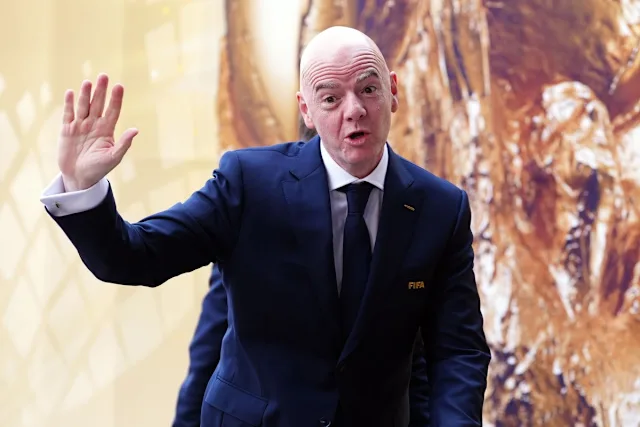
Confronted by a wall of fierce, multi-fronted resistance, Infantino performed a characteristically smooth, if humbling, tactical retreat. "This proposal will not proceed," the FIFA president announced, pivoting from visionary salesman to solemn guardian of institutional unity. In a statement wrapped in the sanitizing vocabulary of modern corporate diplomacy, Infantino conceded that the project had "created divisions of a nature that, regardless of the level of support, are no longer in the interest of the objective set out in the first place." It was an exquisite piece of rhetorical gymnastics—framing a capitulation to public outrage as a benevolent act of active listening. The reality, of course, was far more pragmatic: the proposed financialization had threatened to rupture the delicate geopolitical equilibrium that keeps FIFA’s vast, multi-billion-dollar apparatus spinning on its axis.
> "Having listened carefully to all the views, it has become clear that the project has created divisions of a nature that, regardless of the level of support, are no longer in the interest of the objective..."
> — Gianni Infantino, FIFA President
This aborted transaction offers a telling window into the soul of modern athletics, where the boundary between cultural heritage and liquid asset class has become perilously thin. Private equity firms, armed with sovereign wealth and aggressive capital, have already devoured swathes of club football, rugby, and motorsport, successfully converting tribal loyalty into predictable yield. But the World Cup remained the final frontier—a sovereign territory of collective memory and national pride. By attempting to carve up its equity, FIFA underestimated the enduring power of football’s romantic mythos, which recoils at the idea of boardrooms dictating the terms of global joy. For now, the tournament remains, at least ostensibly, public property. But in the gilded corridors of Zurich, where the ledger so often triumphs over the legend, one suspects this is not a permanent peace, but merely a temporary ceasefire in the ongoing war for the soul of the beautiful game.