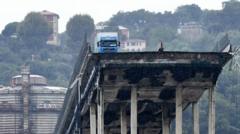
Families of 43 Victims Await Verdict in Genoa Bridge Disaster
GENOA — More than five years after the catastrophic collapse of the Morandi Bridge in Genoa, the families of the 43 victims are bracing for a landmark judicial verdict. On August 14, 2018, during a torrential rainstorm, a 210-meter section of the heavily trafficked motorway bridge crumbled without warning, sending dozens of vehicles, passengers, and tons of concrete plummeting 45 meters onto the railway tracks and industrial zones below. The tragedy exposed severe vulnerabilities in Italy’s infrastructure and sparked national outrage over privatized highway maintenance.
The highly anticipated verdict follows a grueling multi-year trial involving nearly 60 defendants, including former high-ranking executives from Autostrade per l'Italia (ASPI), the private operator responsible for the bridge's upkeep, and Spea, the engineering firm tasked with safety inspections. Prosecutors allege that the disaster was entirely preventable, accusing the defendants of manslaughter, safety negligence, and endangering public transport. The prosecution’s case hinges on evidence that warning signs regarding the corrosion of the bridge’s steel stay cables had been ignored for decades to prioritize corporate profits and shareholder dividends over public safety.
For the relatives of those who perished, the trial represents a crucial, albeit painful, quest for accountability. "We are not looking for revenge, but for truth and justice," said Egle Possetti, spokesperson for the committee of victims' relatives, who lost her sister, brother-in-law, and two young nephews in the collapse. "This verdict must send a clear message that those who manage public infrastructure cannot gamble with human lives to cut costs." Defense lawyers, conversely, have argued that the collapse was an unpredictable structural failure caused by a combination of extreme weather and design flaws inherent since the bridge’s construction in 1967.
The political and physical landscape of Genoa has changed significantly since the disaster. A new structure, the Genoa San Giorgio Bridge, designed by renowned architect Renzo Piano, was inaugurated in 2020 as a symbol of resilience. However, for many Italians, true closure will only come when the legal system delivers its ruling on who bears responsibility for one of Europe's worst modern structural disasters. The impending verdict is expected not only to determine the fates of the accused but also to set a precedent for corporate accountability and infrastructure oversight worldwide.