'Every person saved is a miracle': Families call to trapped loved ones in region devastated by Venezuela quakes
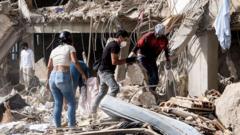
CARACAS — Desperate rescue efforts are underway across northern Venezuela following a series of powerful earthquakes that have left communities devastated and dozens feared trapped beneath collapsed infrastructure. In the hardest-hit municipalities, grief-stricken families have established round-the-clock vigils outside pulverized apartment blocks and commercial buildings. Clinging to hope, relatives take turns calling out into the voids of the rubble, listening intently for any muffled cries or signs of life amidst the ruins.
The rescue operations are unfolding under highly perilous conditions, as emergency personnel and volunteers face the monumental task of shifting heavy concrete slabs and twisted metal without sufficient heavy machinery. In many areas, locals have had to rely on rudimentary tools and their bare hands to clear pathways.
> "Every person saved is a miracle at this point," said Alejandro Vargas, a local civil defense coordinator working in the disaster zone. "We are racing against the clock, but the sheer weight of the debris makes every centimeter gained a grueling, hours-long struggle."
For families waiting nearby, the agonizing delay has fueled a mix of despair and determination to assist in the manual digging.
Venezuela, which sits along the complex boundary between the Caribbean and South American tectonic plates, has a history of destructive seismic activity, particularly along the active Boconó fault system. However, the impact of this latest disaster has been severely compounded by years of economic strain, which have left municipal emergency services underfunded and lacking in modern, heavy-duty rescue technology. Urban planning experts note that many of the collapsed structures in the region were constructed without modern seismic retrofitting, greatly exacerbating the scale of the destruction in densely populated residential sectors.
As the critical 72-hour window for finding survivors begins to close, national emergency management authorities, alongside volunteer brigades, are focusing their limited resources on known collapse sites. While international aid agencies assess the region's immediate humanitarian needs, the local population continues to bear the brunt of the immediate response. Community kitchens have emerged near the disaster sites to sustain both the exhausted rescue crews and the waiting families, embodying a profound sense of solidarity in the face of an overwhelming tragedy.