A Midnight Ledger: Why the Latest Ebola Outbreak Threatens to Rewrite the History of Contagion
The grim mathematics of epidemic disease have always possessed a cruel, compounding logic, but the current Ebola outbreak has assumed a trajectory that is chilling even to those accustomed to the geography of plague. What began on May 15 as a localized emergency—noted in the sterile, administrative parlance of global health bulletins—has rapidly mutated into an epochal catastrophe. With the death toll now breaching the threshold of 2,000 lives and thousands of others languishing in the purgatory of active infection, the World Health Organization has issued its most haunting diagnosis yet: this outbreak is on track to become the deadliest in human history.
The Anatomy of an Alarm
When the Director-General of the WHO delivered this assessment, it was less a conventional warning and more of a eulogy for containment. The speed with which the virus has bypassed modern medical cordons reveals a deeper, more systemic failure of global health infrastructure. This is not merely a crisis of virology, but one of trust and terrain. In the dense, historically marginalized borderlands where the outbreak rages, medical intervention is too often viewed through a lens of post-colonial suspicion, transforming the sterile white hazmat suits of aid workers into terrifying specters of doom rather than symbols of salvation. Consequently, the virus thrives in the shadows of distrust, moving faster than the bureaucratic machinery designed to halt it.
> "We are racing against an invisible, shape-shifting adversary in an environment where trust has been as thoroughly depleted as medicine."
The Intimacy of Ruin
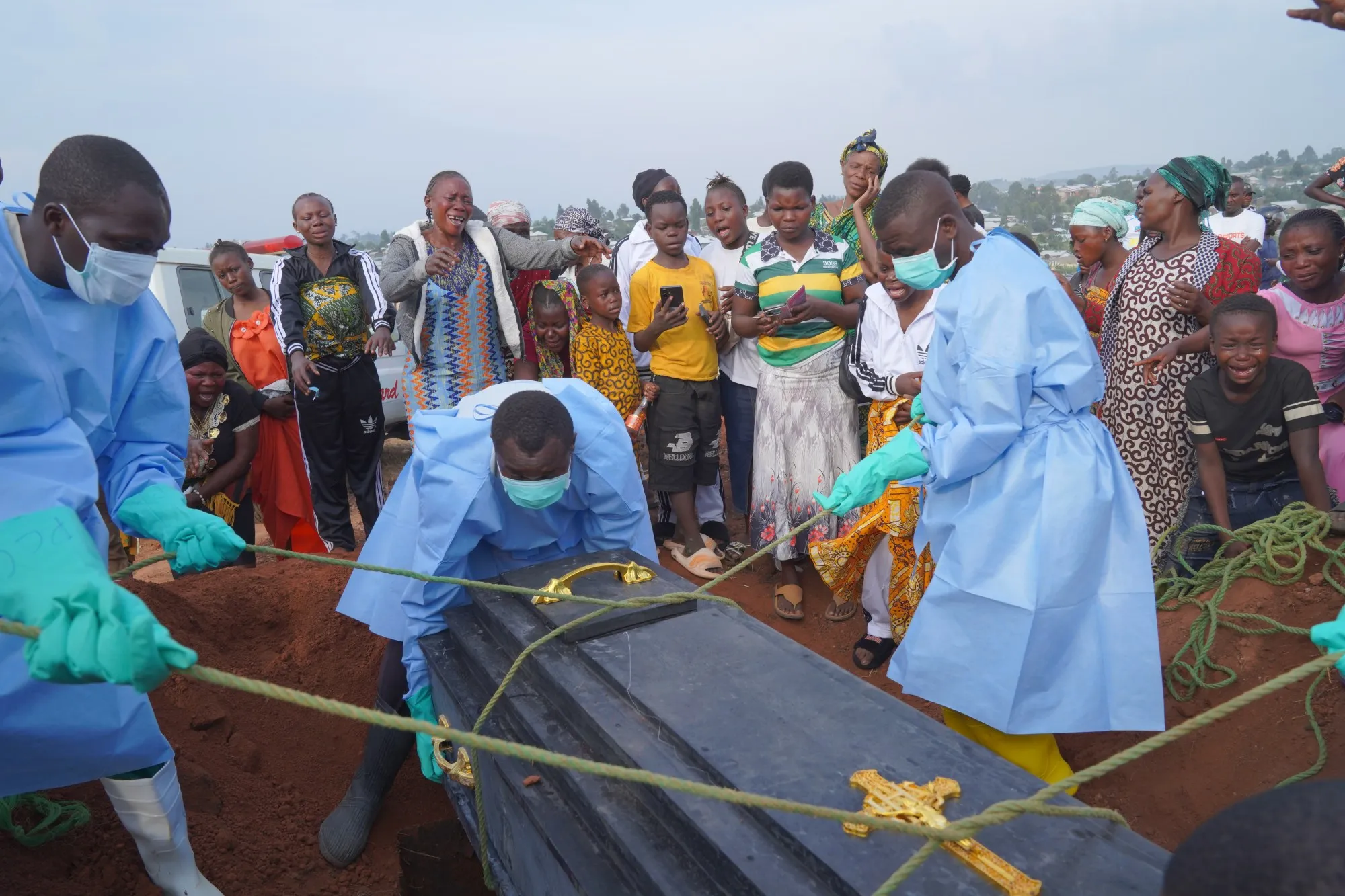
To understand the scale of this horror is to look beyond the cold ledger of epidemiology and into the dismantled social fabrics of the afflicted communities. Ebola is a pathogen of exquisite cruelty; it weaponizes the very instincts that make us human. It transforms the act of caregiving—the washing of a fevered brow, the holding of a dying child’s hand, the liturgical bathing of the dead—into a vector of self-destruction. In this crisis, the traditional communal funeral has become a crucible of transmission, forcing a devastating choice between honoring one's ancestors and surviving to see tomorrow. It is this rupture of intimacy that makes the current death toll not just a statistic, but a profound cultural tragedy.
The Horizon of Containment
As international agencies scramble to deploy experimental vaccines and mobilize depleted resources, the window for preemptive containment is rapidly closing. The warning from Geneva is a stark reminder that in an interconnected world, isolation is a dangerous fantasy. If the current trajectory remains unchecked, the outbreak will cease to be a regional emergency and will instead define a new, darker era of global health insecurity. The challenge now is not merely biological, but moral—a test of whether the global community can muster the collective will to confront a medieval scourge with modern solidarity, before the ledger of the dead grows too long to write.