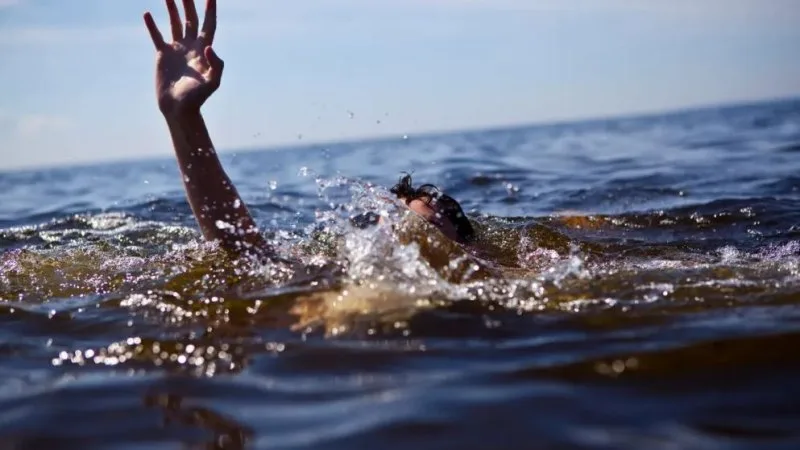
Drowning Deaths Surge as France Battles Unprecedented Heatwave
France is currently grappling with a dual crisis as an intense, prolonged heatwave sweeps across the country, leading to a tragic spike in water-related fatalities. Prime Minister Sébastien Lecornu confirmed this week that at least 40 people have lost their lives to drowning since last Thursday alone. The surge in casualties comes as millions of citizens and tourists flock to rivers, lakes, and coastal areas in a desperate attempt to seek respite from temperatures that have consistently breached the 40°C (104°F) mark in several regions. Emergency services have been operating at maximum capacity, struggling to manage the sudden influx of distress calls linked to both heat exhaustion and water-based accidents.
The extreme weather conditions, which have gripped much of Western Europe, have created a "perfect storm" for public safety risks. Officials note that many of the drowning incidents involve individuals who may have underestimated the physiological strain of the heat before entering the water. The drastic temperature difference between the scorching air and relatively cool water bodies can trigger "cold-water shock," a physiological response that causes involuntary gasping and can lead to immediate respiratory failure, particularly in older individuals or those with underlying health conditions. Furthermore, public health authorities are warning that dehydration and heat-induced fatigue are significantly impairing judgment and physical coordination, making even experienced swimmers vulnerable in open water.
In response to the mounting death toll, the French government has ramped up its public safety campaigns, urging citizens to exercise extreme caution near aquatic environments. "The heatwave is not merely a climatic challenge; it is a direct threat to public safety that requires constant vigilance," Lecornu stated during a press briefing. Local prefectures have begun implementing stricter monitoring of unauthorized swimming spots, while lifeguards and rescue teams have been deployed in higher concentrations at popular tourist destinations. Experts suggest that the increasing frequency of such heatwaves—a direct consequence of shifting global climate patterns—necessitates a shift in public safety policy, moving toward more robust warnings about the cumulative effects of heat on human physical endurance.
As Europe continues to buckle under the peak of this summer’s thermal stress, meteorologists warn that the reprieve may be short-lived. The combination of sustained record-breaking heat and dry conditions has also placed immense pressure on French infrastructure, including water management systems and electrical grids. For now, the priority remains the prevention of further loss of life. Authorities are advising the public to avoid strenuous physical activity during peak afternoon hours and to prioritize cooling centers and shaded indoor spaces, rather than relying on natural water sources which currently pose a significant, if often overlooked, hazard.