The Southern Recessional of Aubrey Graham
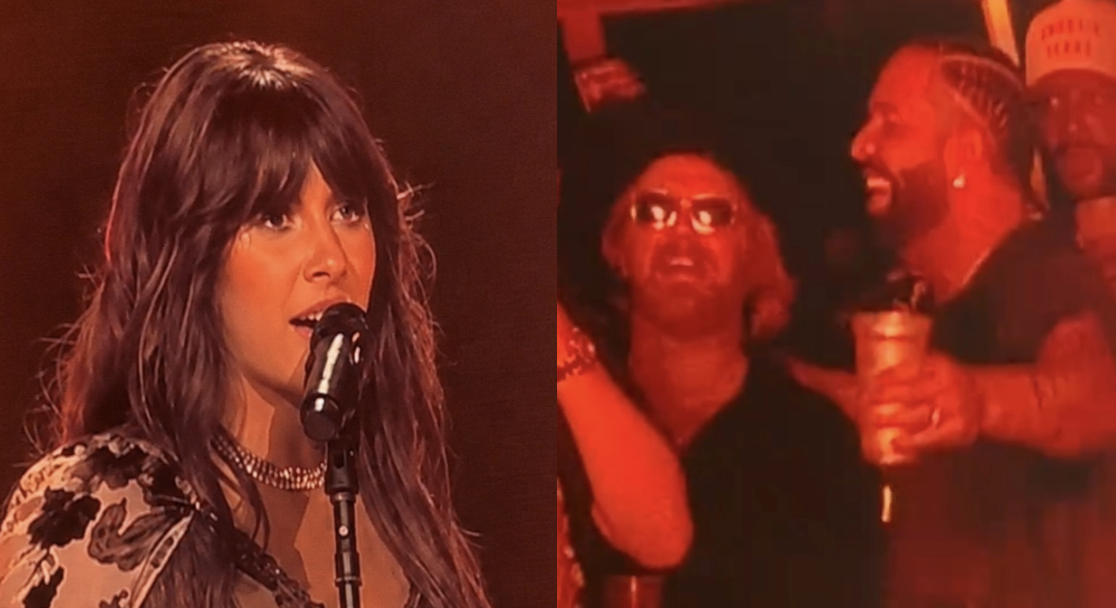
There is a calculated surrealism to the modern celebrity pilgrimage, a deliberate blurring of demographic lines that feels both deeply curated and oddly inevitable in our post-genre landscape. Such was the scene on a recent Saturday night in North Little Rock, Arkansas—a geography far removed from the neon-drenched luxury of Miami or the icy high-rises of Toronto. There, amid the sticky-floor realism of a Southern arena, Aubrey "Drake" Graham was spotted not as the untouchable, hyper-stylized titan of modern hip-hop, but as an ordinary disciple of the new Nashville. Shrouded in the democratic anonymity of a baseball cap, the rapper stood captivated by Ella Langley, the fast-rising songstress whose grit-and-lacquer anthems have recently conquered the country music vanguard.
To witness Drake in this milieu is to observe a master class in cultural osmosis. Langley, the newly minted ACM Artist-Songwriter of the Year, commands the stage with a brand of narrative vulnerability and steel-guitar bravado that feels diametrically opposed to the polished, defensive posture of late-career rap. Yet, there was Graham, captured in amateur phone footage, his lips moving in synchronization with Langley’s lyrics. For an artist who has spent the better part of two decades positioning himself as the ultimate arbiter of cool, his immersion in the heartland’s zeitgeist suggests less of a sudden pivot and more of a strategic retreat—a seeking of solace in a genre where storytelling still values the bruised ego over the bulletproof exterior.
```
"Whether this foreshadows an impending, acoustic-tinted detour in the OVO catalog or simply represents a mogul seeking refuge in the unvarnished honesty of a Southern ballad, the image remains striking."
```
This public appearance arrives at a fascinating inflection point for both the artist and the industry. As pop-cultural gravity shifts decisively toward the revitalized, cinematic storytelling of modern country—pioneered by crossover juggernauts and traditionalist revivalists alike—Drake’s presence in Arkansas feels less like idle leisure and more like a pilgrimage to the new center of American mythmaking. Historically, the OVO frontman has survived and thrived by acting as a cultural heat-seeking missile, absorbing dancehall, drill, and Afrobeats into his chameleonic repertoire. His nod to Langley might well be the opening salvo of a new aesthetic chapter, or perhaps merely a quiet acknowledgment that, in 2024, the most compelling dramas are being written in three chords and the truth.