The Threshold of Negligence: Inside the Pakistan Neonatal Fire Tragedy
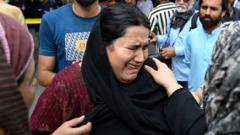
In the sterile, fluorescent-lit corridors of Pakistani healthcare, tragedy rarely arrives with a whisper; it crashes through with the devastating clarity of systemic rot. The fire that swept through a neonatal ward, claiming the lives of fourteen newborns, is not merely an accident of faulty circuitry or combustible oxygen; it is a grotesque monument to bureaucratic indifference. On that catastrophic night, the soft, rhythmic hum of incubators was violently replaced by the roar of flames and the suffocating black smoke of burning synthetic materials. For the parents standing outside, the hospital became a concrete tomb—their frantic cries echoing against walls that were supposed to harbor healing, but instead delivered the ultimate, unthinkable grief.
At the dark heart of this horror lies a chilling dispute over a single threshold. Witnesses and desperate relatives insist that the ward’s exit was locked—a deadbolted barrier that turned a sanctuary of life into an inescapable furnace. They describe a frantic, futile scramble against metal and wood while the fragile lives inside evaporated in the heat. In contrast, the hospital administration has retreated into the rehearsed posture of institutional self-preservation. The door, they claim, was never locked; rather, it was merely "manned by security guards" tasked with protecting the infants from external threats. It is a grim irony of modern bureaucracy: in the name of security, the very mechanisms designed to keep danger out succeeded only in sealing a catastrophe in.
This semantic dancing over whether a door was "locked" or "secured" exposes a deeper pathology within the region's public infrastructure, where safety is often treated as an administrative afterthought rather than a moral imperative. In chronically underfunded and weakly regulated medical facilities, tragedy is a cyclical guest. Safety codes exist on paper as ornamental gestures, while the physical reality on the ground is one of corroded escape routes, absent fire suppression systems, and security measures that function more as gates of exclusion than shields of protection. To the grieving families, the distinction between a padlock and an unyielding guard is a distinction without a difference; both represented a wall of authority that stood unmoved while their children perished.
As the ashes cool and the state promises its customary, perfunctory inquiries, the grim reality remains that fourteen empty cribs now stand as silent indictments of a system that failed its most vulnerable. The forthcoming investigations will likely yield convenient scapegoats—a negligent technician, a low-ranking guard, a faulty fuse—while leaving the scaffolding of institutional neglect entirely untouched. The locked door, whether literal or bureaucratic, remains a devastating metaphor for a society where the exit to safety is too often barred by the very institutions entrusted with the key.