The Theater of Deflection
In the White House briefing room, a critical question on North Korean diplomacy is met with familiar, performative hostility.
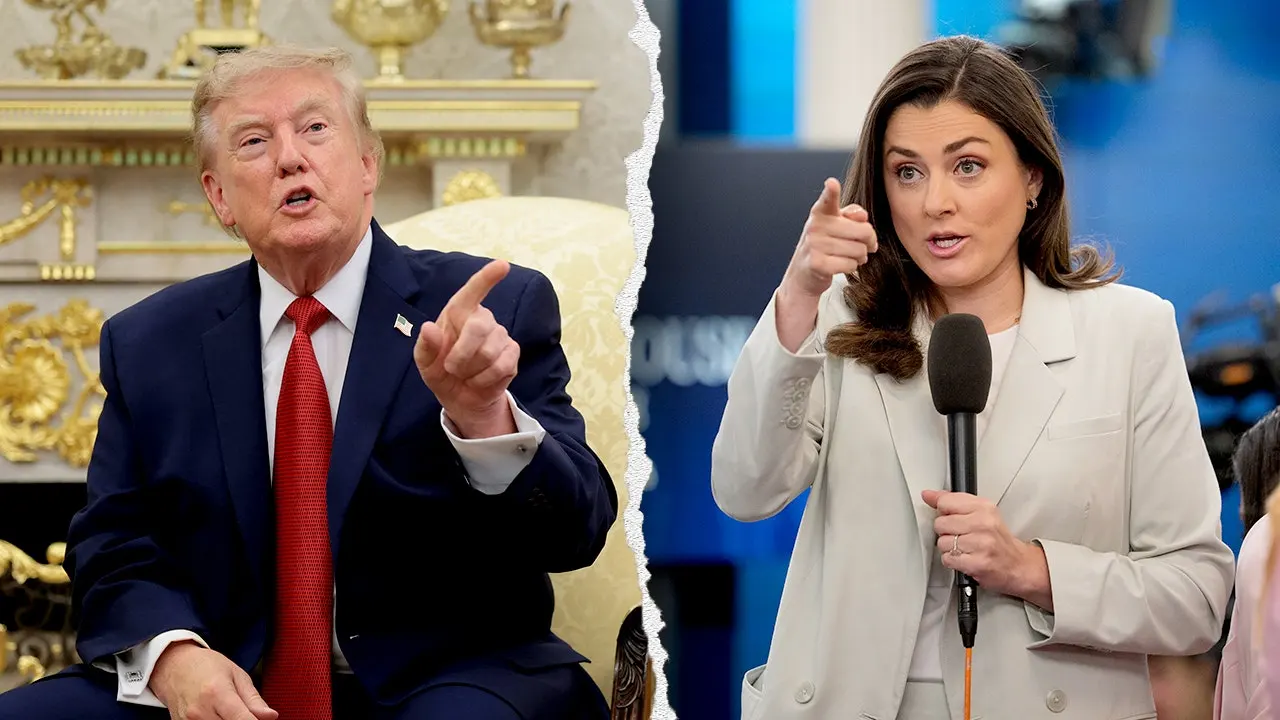
The White House briefing room has long ceased to be a mere venue for the sober exchange of civic information; it has devolved instead into a coliseum of performative friction. On Monday, this arena hosted another masterclass in the politics of personal distraction. When Kristen Holmes, a seasoned correspondent, attempted to pierce the fog of administration diplomacy by asking whether the President had engaged in recent talks with North Korean dictator Kim Jong-un, she was met not with diplomatic nuance, but with a sharp, imperious hand-strike of rhetorical dismissal. The exchange was a microcosm of a presidency that has consistently treated geopolitical inquiry as a personal affront.
> "You’re a loud, boisterous person. Be quiet!"
The flashpoint ignited when Holmes pressed for clarity on a matter of genuine global import: had the North Korean leader demanded a curtailment of joint U.S.–South Korean military exercises as a prerequisite for ongoing negotiations? Rather than navigate the delicate contours of East Asian security, the President opted for a blunt-force deflection. "Quiet," he commanded, his voice cutting through the room’s ambient hum. When Holmes persisted, seeking a straight answer to a straight question, the response shifted from simple evasion to a highly personalized critique. "You’re a loud, boisterous person. Be quiet!" he barked, attempting to reduce a professional journalistic inquiry into an act of mere insolence.
This transactional hostility is a well-worn script, yet its capacity to startle remains intact. By labeling Holmes "boisterous"—a descriptor laden with gendered undertones and designed to delegitimize her presence—the President sought to shift the spotlight from the silent dictator in Pyongyang to the supposedly unruly reporter in Washington. It is a classic authoritarian maneuver: transforming a matter of international security into a domestic melodrama of manners and dominance. In this theater, the substance of the question—whether American military readiness is being bartered for diplomatic photo-ops—is successfully obscured by the smoke and mirrors of a manufactured personal feud.