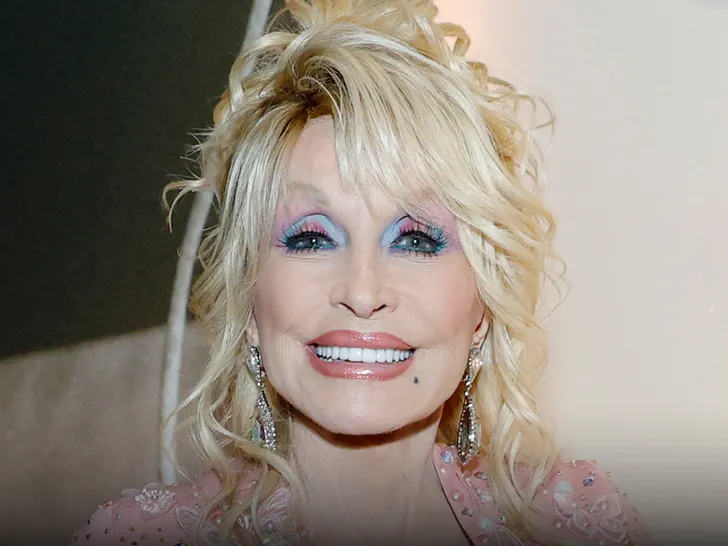
The Rhinestone Armor: Dolly Parton, Caregiver’s Grief, and the Reckoning of Mortality
For more than half a century, Dolly Parton has operated not merely as a country music titan, but as a secular saint of American optimism—an indefatigable, rhinestone-encrusted engine of goodwill who seemed entirely immune to the corrosive effects of time. Yet, beneath the towering wigs, the hyper-saturated smiles, and the pristine choreography of her public persona lies a mortal frame that has quietly paid the toll of profound personal devotion. In a rare and sobering concession to her own humanity, Parton recently shared that she is currently navigating a series of health challenges—issues she deliberately sidelined and ignored while tending to the declining health of her late husband, Carl Thomas Dean, who passed away after a long illness.
```
"I was so busy taking care of Carl... I just let my own health go."
```
This revelation casts a poignant, retrospective light on the singer’s famously relentless work ethic. For decades, Carl Thomas Dean existed as a mythic, reclusive counterweight to Parton’s hyper-visibility; where she chased the klieg lights, he cultivated the quiet shadows of their Tennessee estate. When he fell ill, Parton quietly assumed the role of the devoted caregiver, subsuming her own physical needs beneath the weight of marital duty. It is a narrative of self-abnegation familiar to millions of caregivers worldwide, yet when enacted by a cultural monument of Parton’s stature, it takes on the weight of tragedy. The very stoicism that allowed her to conquer the music industry became her vulnerability, as she masked her own corporeal fraying to maintain a sanctuary of comfort for the man she loved for nearly sixty years.
Now, at seventy-eight, the singer is forced to confront the backlog of her own neglected well-being. True to her character, however, Parton does not frame this reckoning as a defeat, but rather as an overdue period of maintenance for an engine that has run hot for too long. There is a steel-spined elegance to how she manages this disclosure, refusing the cheap currency of public pity in favor of a clear-eyed, practical assessment of her limitations. By acknowledging her physical vulnerability, Parton demystifies the toxic myth of the tireless icon, offering her audience a masterclass in grace under pressure. Even as she steps back to mend, she reminds us that the truest measure of her strength lies not in her ability to endure pain endlessly, but in her courage to finally tend to her own wounds.