The Pulpit and the Playlist: Disney’s New Alliance with the King of Digital Parables
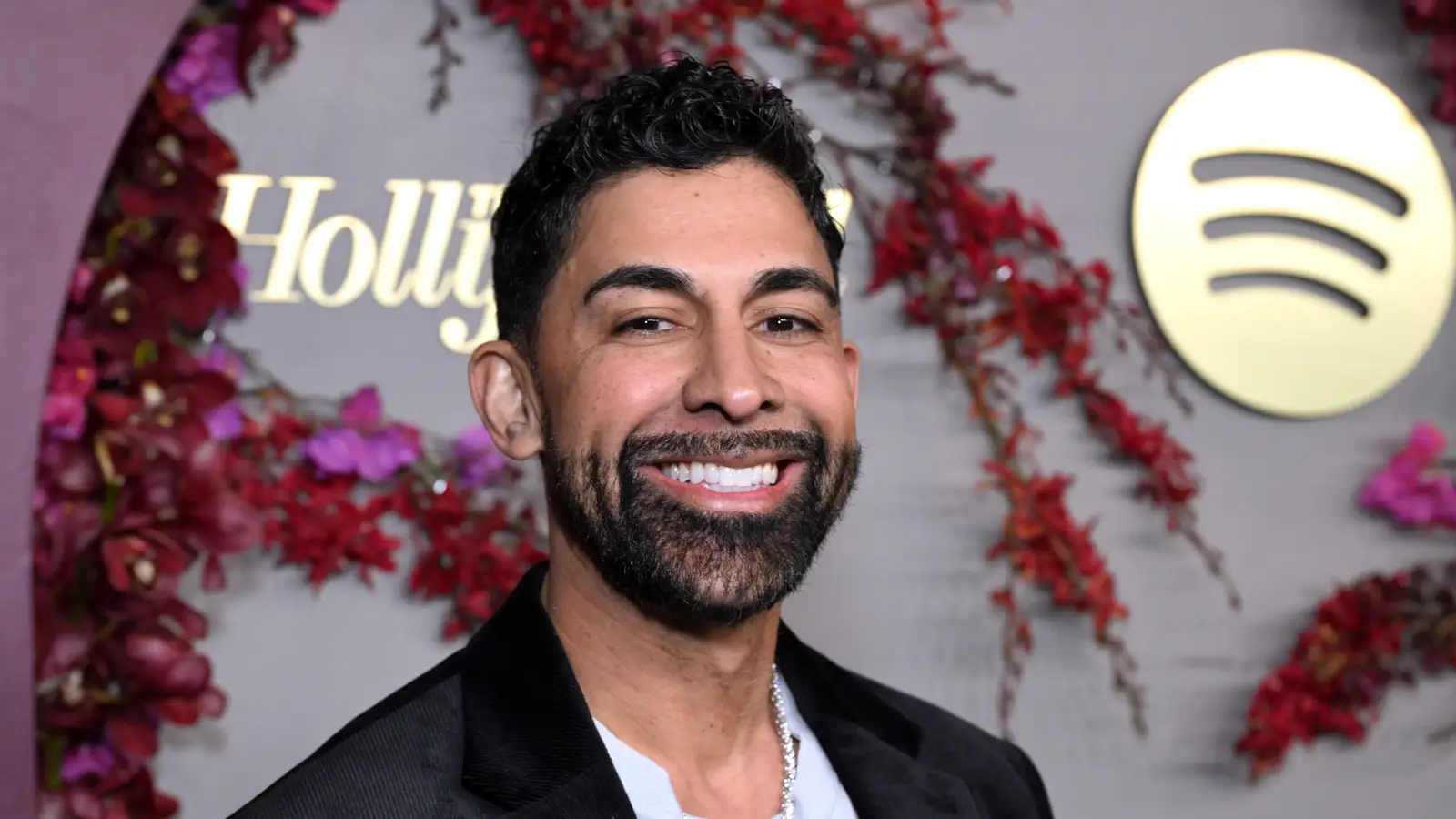
In an era where the boundary between legacy cinematic prestige and the relentless, hypnotic churn of the social media feed has all but dissolved, Disney has made its latest, and perhaps most telling, concession to the attention economy. The House of Mouse has formalized a pact with Burbank-based Dhar Mann Studios, securing a 20-episode series order aimed at creating new youth- and family-oriented programming for its digital platforms. Announced on Friday, the collaboration pairs the world’s most formidable architect of twentieth-century mythology with a modern digital baron whose hyper-simplified, moral-driven vignettes have captured billions of views. While specific narrative details remain under wraps, the deal signals a profound systemic shift: legacy entertainment is no longer merely competing with the algorithm; it is inviting its most successful auteur inside the gates.
To understand the gravity of this alliance is to understand the singular, polarizing empire of Dhar Mann. Operating out of a sprawling production facility in Burbank, Mann has pioneered a genre of digital folklore that is equal parts Aesop’s Fables and daytime soap opera. His videos—frequently punctuated by titles that promise immediate cosmic justice and sudden, tearful reversals of fortune—utilize a flat, brightly lit aesthetic where virtue and vice are never subtextual, but rather shouted from the rooftops. It is high-camp didacticism for the digital native, a universe where bullies are instantly humiliated and kind deeds are rewarded with suitcases of cash. By co-opting this formula, Disney is capitalizing on a creator who has cracked the code of younger demographic viewing habits, offering a brand of comforting, black-and-white moralism that feels strangely at home within the historic lineage of Disney's own early anthology shows, albeit recalibrated for a generation raised on vertical screens.
> "By integrating Dhar Mann’s trademark parabolic storytelling into its streaming ecosystems, Disney is purchasing an pre-optimized connection to an audience that prefers its life lessons fast, explicit, and utterly devoid of ambiguity."
Ultimately, this partnership exposes the underlying anxieties of legacy media in a fractured cultural landscape. As traditional distribution models continue their slow, elegant decline into obsolescence, Disney’s acquisition of Mann’s sensibilities represents a pragmatic survival strategy. It is an acknowledgment that the slow-burn magic of classic narrative structure may no longer be enough to hold the mercurial gaze of today's youth. In this brave new world of entertainment, the traditional fairy tale is stripped of its metaphorical nuance and rebuilt to satisfy the insatiable demands of the feed, proving that in the modern kingdom of content, the algorithm always reigns supreme.