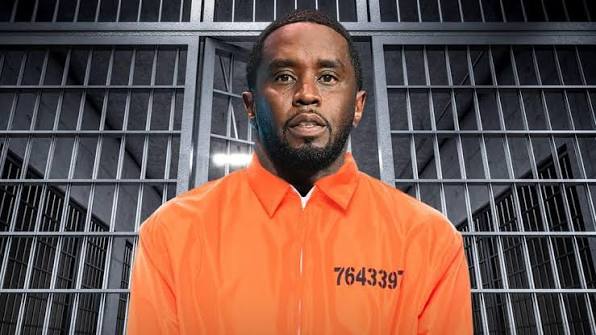
The Solitary King: Sean Combs and the Stark Realities of Fort Dix
For decades, Sean "Diddy" Combs operated in a realm where space was infinite and boundaries were merely suggestions. His empire was built on a theology of excess—gilded VIP lounges, sprawling Hamptons estates, and the relentless, deafening hum of cultural dominance. Yet, the physics of his universe contracted violently this month within the sterile, low-slung confines of the Federal Correctional Institution in Fort Dix, New Jersey. According to sources familiar with the matter, the disgraced music mogul has finally been released from administrative segregation—colloquially known as "the hole"—where he had been relegated following a volatile physical altercation. This transition from the absolute isolation of solitary back into the general population marks yet another surreal chapter in the rapid, Shakespearean unraveling of one of modern entertainment’s most formidable architects.
The Anatomy of the Brawl
The incident that triggered his confinement to the hole was, by all accounts, a stark reminder of the democratic brutality of the American carceral system. In a world stripped of retinues, public relations engines, and the insulating warmth of unimaginable wealth, Combs found himself engaged in a raw, unscripted prison brawl. For a man who spent his life choreographing the movements of others and dictating the terms of engagement in boardroom and nightclub alike, the physical clash represented a jarring loss of control. In the federal penitentiary, the currency of celebrity is a volatile asset, often inviting more hostility than deference. This confrontation stripped away the last vestiges of the "Diddy" mystique, reducing a global icon to a mere inmate navigating the grim, transactional politics of survival.
> "In the penitentiary, the currency of celebrity is a volatile asset, often inviting more hostility than deference."
A Return to the Yard
While his return to the general population at Fort Dix spares him from the sensory deprivation of solitary confinement, it offers no true reprieve. The hole is a psychological purgatory designed to break the spirit through silence; returning to the yard, however, forces Combs back into a complex social minefield where his every movement is scrutinized by both guards and peers. Legal representatives and associates have quietly observed the profound toll this ordeal has taken on the mogul, whose public persona was always defined by an untouchable, hyper-confident vitality. Now, as he awaits the slow, grinding machinations of his upcoming federal trial on charges of racketeering and sex trafficking, the quiet monotony of his daily routine stands in stark, mocking contrast to the chaotic, high-tempo rhythm of the life he once commanded.
The Silence of the Empire
Ultimately, this brief detour through solitary confinement serves as a grim metaphor for Combs’s broader cultural exile. The man who once famously boasted that he "can't stop, won't stop" has been systematically halted, his voice muted by steel doors and bureaucratic protocols. In the cultural imagination, the image of Combs pacing a nine-by-six-foot cell is a jarring juxtaposition to the champagne-soaked vistas of his peak years. Whether he can adapt to the hostile egalitarianism of the prison yard remains to be seen, but one truth is increasingly clear: the empire has fallen, the music has stopped, and the silence left in its wake is absolute.