The Ghost of Las Vegas: Sean Combs and the Endless Post-Mortem of Hip-Hop’s Darkest Era
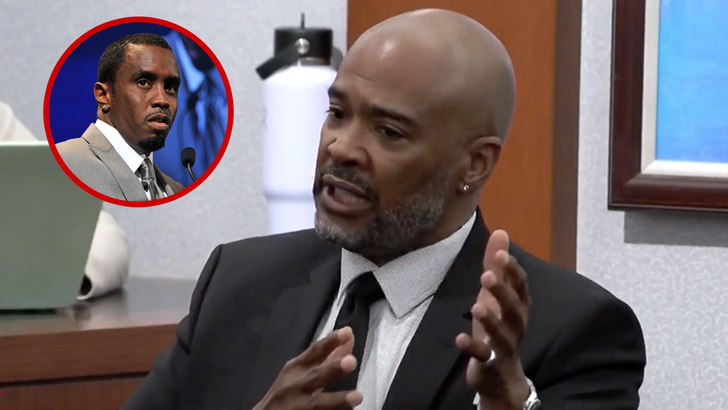
In the sterile, fluorescent-lit confines of a Clark County courtroom, the ghosts of 1996 have once again been subpoenaed to testify. Decades after the drive-by shooting on the Las Vegas Strip that claimed the life of Tupac Shakur, the tragedy remains less an unsolved cold case and more a haunting, cyclical melodrama in the American consciousness. The latest tremor in this ongoing historical reckoning arrived via the witness stand, where a former Los Angeles Police Department detective resurrected a decades-old, highly combustible conspiracy theory: that Sean "Diddy" Combs had actively sought to finance the assassination of hip-hop’s most luminous martyr. It is a sensational claim, one that superimposes the architect of Bad Boy Records onto the grim geometry of the murder scene—and one that those within Combs’ camp have swiftly, and fiercely, dismissed as utter fiction.
The Anatomy of an Allegation
The testimony, delivered during the trial of Duane "Keffe D" Davis—the self-proclaimed South Side Compton Crip charged with orchestrating the 1996 slaying—painted a cinematic picture of bicoastal hostility translated into cold currency. According to the retired detective, Combs had allegedly offered a million-dollar bounty to neutralize Shakur and Death Row Records kingpin Marion "Suge" Knight. For the prosecution, the narrative provides a neat, if bloody, motive inside the tribal warfare of nineties rap. But to those close to Combs, the allegation is a grotesque distortion, an anachronistic fable recycled to inject high-profile intrigue into a trial that is already a media circus. Sources close to the embattled mogul have made it clear that Combs had "absolutely nothing" to do with the crime, characterizing the testimony as a desperate bid for relevance using rumors that have long been discredited by serious investigators.
> "To drag Sean Combs’ name into this courtroom is to engage in historical fiction of the most cynical order. It is an attempt to solve a tragedy by creating a villain out of a myth."
A Siege on Two Fronts
For Combs, the resurrection of this specter could not come at a more perilous cultural moment. Already besieged by a cascade of contemporary federal investigations, civil lawsuits, and a public reckoning that has systematically dismantled his carefully curated image of opulent, Gatsby-esque benevolence, the mogul now finds himself fighting a war on two fronts: the urgent legal battles of his present, and the grim mythology of his past. The tragedy of the East-West rivalry was supposed to have been archived in the annals of cultural history, a cautionary tale of hubris and corporate-backed street warfare. Instead, the courtroom testimony suggests that in the court of public opinion, the statute of limitations on hip-hop’s original sin never truly expires.
The Architecture of a Myth
Ultimately, the persistent implication of Combs in Shakur’s death speaks to a deeper, more sociological truth about how we process cultural trauma. The American public has always rejected the idea that Tupac Shakur—a figure of Shakespearean complexity and poetic vitality—could be snuffed out by a random, senseless act of gang violence. We demand an architecture to our tragedies; we require a grand, Machiavellian architect behind the curtain to match the scale of the loss. By castigating Combs as the shadowy financier of the hit, the narrative elevates a squalid street grievance into an epic tragedy of corporate betrayal. Yet, as the legal machinery grinds on in Las Vegas, the truth remains stubbornly elusive, buried beneath decades of hearsay, leaving a culture to perpetually litigate the blood-stained pavement of 1996.