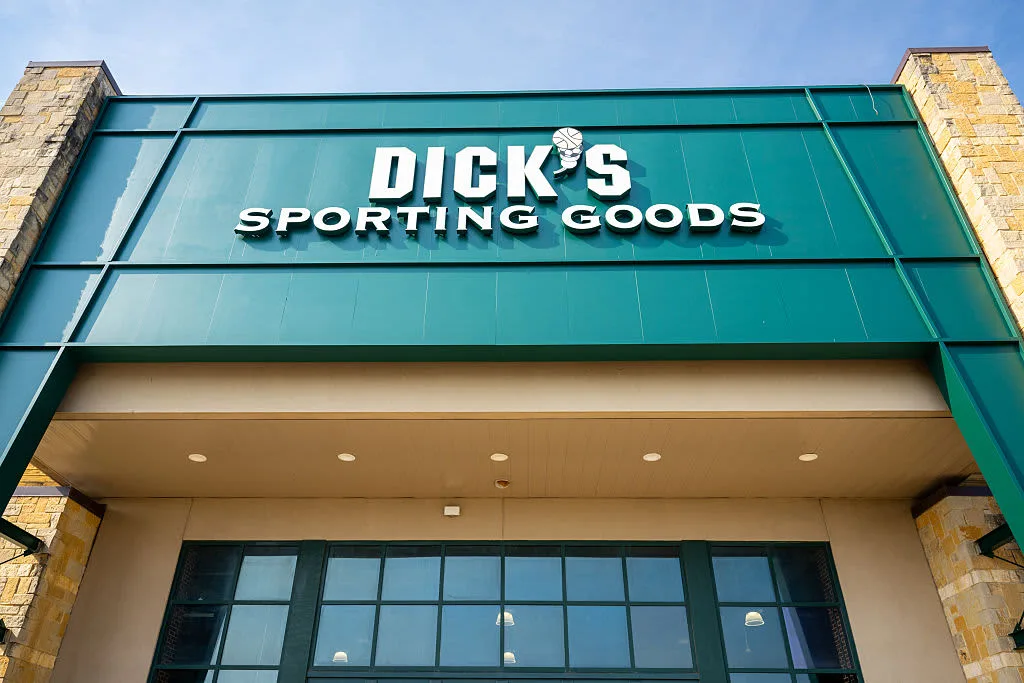
The Shaken Bastion of Suburbia: Behind the Sudden Stumble of Dick’s Sporting Goods
For years, Dick’s Sporting Goods stood as a secular cathedral of the American weekend—a fluorescent-lit oasis where the middle class went to outfit its suburban aspirations. From pristine rows of baseball cleats to high-tech running shoes, the retailer did not merely sell merchandise; it brokered the dream of active, upwardly mobile leisure. Yet, on Tuesday, that carefully constructed facade of invulnerability cracked. In a dramatic recalibration that sent shockwaves through the retail sector, the company’s stock plummeted by 25 percent, marking its worst trading day in years. The catalyst was a fiscal second-quarter earnings report that fell decisively short of Wall Street’s expectations, accompanied by an executive confession of a "challenging" climate in the crucial footwear category.
To understand the severity of the market’s reaction is to understand the symbolic weight of the athletic shoe. Footwear is the undisputed canary in the retail coal mine; it represents a high-margin, high-consideration purchase that sits at the intersection of fashion, utility, and disposable income. When the consumer begins to balk at the shoe wall, hesitating before a hundred-dollar pair of sneakers, it signals a deeper, systemic caution. The "challenging" environment cited by executives is a polite corporate euphemism for a broader cultural shift: a consumer base increasingly weary of inflationary pressures, quietly auditing its discretionary spending, and deciding that last season’s trainers will have to last a little longer.
> "The suburban consumer, long considered the bedrock of retail resilience, is beginning to show signs of fatigue."
This sudden vulnerability exposes the fragile nature of valuations built on the post-pandemic outdoor boom. During the height of the health crisis, retailers like Dick’s enjoyed an unprecedented golden age, propelled by consumers eager to escape confinement through golf, cycling, and backyard athletics. But as those lifestyle shifts normalize, the industry is confronting a hangover of overstocked warehouses and tempered expectations. The 25 percent erasure of Dick’s market value is more than a mathematical correction; it is a sobering reminder that in the current economic landscape, even the most formidable retail giants are no longer immune to gravity.