The Anatomy of an Absence: Inside the Missing Evidence in the D4vd Murder Case
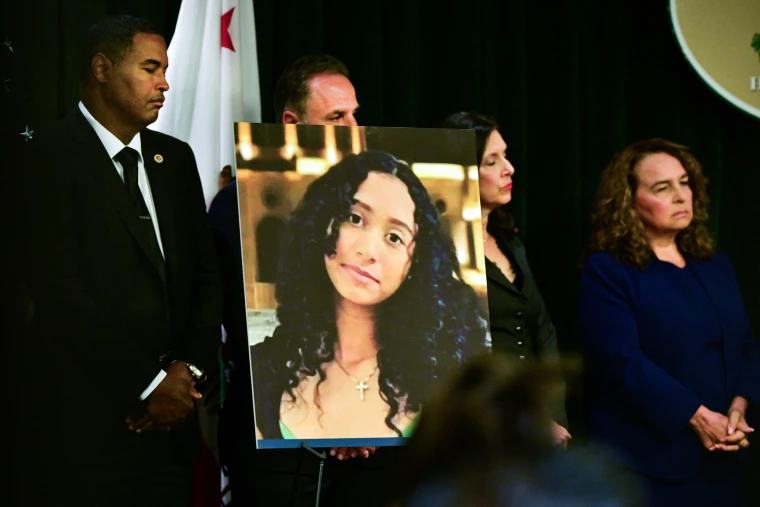
In the hyper-curated theater of modern celebrity, the transition from bedroom-pop prodigy to criminal defendant is a jarring, discordant shift. For D4vd, the teenage auteur whose melancholic, lo-fi anthems once soundtracked the delicate angst of a digital generation, the stage has shrunk to the sterile, unforgiving confines of a courtroom. Prosecutors have begun to assemble their grim mosaic, attempting to bind the young artist to the tragic death of Celeste Rivas. Yet, as the state lays bare its narrative of ambition turned fatal, the prosecution’s case remains hauntingly incomplete—defined not by the weight of what has been found, but by the yawning voids where definitive proof should exist.
During the latest preliminary proceedings, prosecutors unfurled a meticulous ledger of digital footprints, cell-tower pings, and circumstantial threads designed to construct an inescapable net. But the state’s theatrical confidence was quickly shadowed by a striking admission: their puzzle is missing its most crucial pieces. Investigators acknowledged a gaping deficit in their physical inventory, revealing a lengthy, troubling catalog of unrecovered evidence. Chief among these missing artifacts is the alleged murder weapon itself—a silent, absent specter that leaves the exact mechanics of the violence floating in the realm of speculation. Furthermore, several of Rivas’s personal belongings remain lost to the ether, their disappearance hinting at either a calculated effort to sanitize the crime scene or a desperate attempt to erase the final, intimate markers of her identity.
This void in the forensic record transforms the trial from a straightforward presentation of facts into a complex battle of narrative projection. In high-stakes cases where the accused carries the cultural baggage of a sensitive, romanticized youth, the absence of physical anchors like a weapon can be a double-edged sword. For the defense, these missing items represent a cavernous space where reasonable doubt can take root and flourish, framing the prosecution's charges as an exercise in institutional overreach. For the state, however, the vanished evidence is being spun as proof of premeditation—a cold, deliberate effort by the accused to outsmart the machinery of justice. As the legal teams clash over these empty spaces, the memory of Celeste Rivas remains suspended in the balance, her final moments obscured by the very secrets the court has yet to uncover.