The Cost of Freshness: Chipotle’s Market Value Jolted by Salmonella Scare in the Midwest
For nearly a decade, Chipotle Mexican Grill has cultivated a reputation as the high priest of the "fast-casual" gospel—a culinary realm where rapid assembly meets a sanctimonious promise of "food with integrity." Yet, as Wall Street was sharply reminded this week, the altar of fresh, unprocessed ingredients is an inherently volatile one. The company’s stock plummeted following reports from health officials in Minnesota linking a growing cluster of Salmonella cases to the chain's regional restaurants. It was a swift, punishing correction for a brand whose premium valuation relies entirely on the fragile psychology of consumer trust, proving once again that in the modern food economy, the distance between a culinary darling and a public health liability is razor-thin.
In a bid to quarantine both the pathogen and the impending public relations fallout, Chipotle acted with clinical, defensive urgency. The company announced it had aggressively purged the suspect ingredient—specifically, a batch of fresh peppers—from the affected supply lines, replacing them with produce from alternative growers. The intervention was a masterclass in corporate damage control, a choreography undoubtedly honed during the company’s devastating series of foodborne illness crises in the mid-2010s. Yet, while state epidemiologists worked to map the precise microbial vectors of the outbreak, the damage to Chipotle's pristine armor had already been registered on the trading floor. For an empire built on the romance of the farm-to-table ethos, the clinical vocabulary of contact tracing and agricultural recalls represents a toxic disruption to the brand narrative.
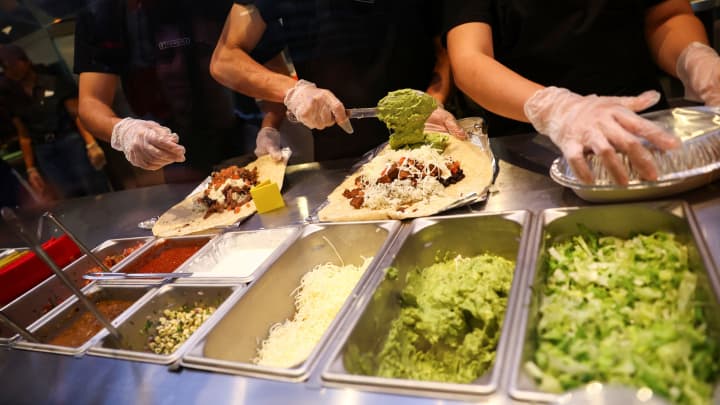
The deeper vulnerability exposed by this latest tremor lies in the very architecture of Chipotle’s operational model. Unlike its legacy fast-food competitors, whose heavily processed, flash-frozen, and pre-cooked offerings are virtually sterilized of both culinary soul and biological risk, Chipotle’s theater of dining relies on the raw, the crisp, and the minimally handled. Every hand-mashed avocado and freshly diced nightshade is a potential vulnerability—a tiny, organic Trojan horse capable of denting a multi-billion-dollar market cap. As investors skittishly reassess their positions, the episode underscores the precarious tightrope the company must walk: preserving the lucrative illusion of rustic, artisanal dining while managing the sprawling, unpredictable realities of industrial-scale agriculture.