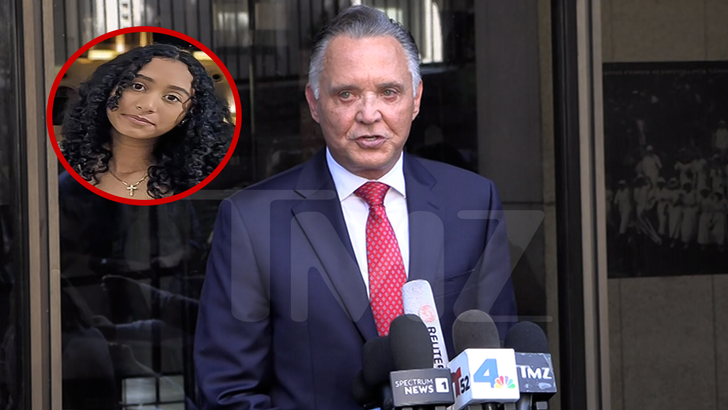
Family of Celeste Rivas Condemns Musician D4vd’s Legal Team Over 'Victim-Blaming' Defense
The family of the late 14-year-old Celeste Rivas has publicly condemned the legal defense team representing rising indie-pop artist D4vd (David Burke). The backlash follows recent court developments in which defense attorneys suggested that Rivas’s tragic death was a suicide, presenting text messages in which she allegedly threatened self-harm. Represented by attorney Patrick Steinfeld, the Rivas family has expressed profound outrage, characterizing the defense’s strategy as a calculated and malicious attempt to deflect liability by shifting the blame onto a deceased minor.
According to legal documents associated with the ongoing wrongful death dispute, the singer’s defense team has sought to introduce digital communications sent by Rivas prior to her passing. In these messages, Rivas reportedly expressed severe emotional distress and made statements indicating intentions of self-harm. The defense argues that these communications establish a pre-existing mental health crisis, suggesting her death was self-inflicted and independent of any external actions or liabilities attributable to the musician. This defense strategy aims to legally distance the artist from the tragedy, prompting immediate pushback from the plaintiff's counsel.
In a sharp rebuttal, Patrick Steinfeld, speaking on behalf of the Rivas family, denounced the defense's tactics as both legally flawed and morally reprehensible. Steinfeld argued that weaponizing the private, vulnerable communications of a troubled 14-year-old child to shield a public figure from accountability is devastating to a family already paralyzed by grief. The family's legal team contends that the defense is actively ignoring the broader circumstances and the duty of care owed to a minor, choosing instead to execute a "victim-blaming" narrative to escape legal consequences.
The unfolding legal battle highlights a growing national conversation regarding the boundaries, influence, and responsibilities of online personalities and musicians when interacting with underage fans. As the proceedings continue, the court must rule on the admissibility of the disputed text messages and determine the extent to which they bear on the issue of liability. For now, the Rivas family remains steadfast in their legal pursuit, demanding that the court focus on accountability rather than the characterization of a minor in crisis.