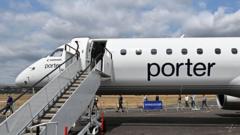
There is perhaps no contemporary space where the fragile veneer of civilized order is more fiercely policed than the cabin of a commercial airliner. It is a highly regimented, pressurized theater where personal agency is systematically traded for collective safety, and where minor infractions are met with bureaucratic finality. Such was the stage for a recent, bizarrely existential standoff on a Canadian tarmac, where a flight was ultimately canceled not by mechanical failure or tempestuous weather, but by the stubborn, localized mutiny of a single child who refused to fasten their seatbelt. What began as a mundane pre-flight ritual dissolved into an administrative paralysis, reminding a cabin of weary travelers that the grand machinery of global transit can be brought to a grinding halt by the absolute, uncompromising sovereignty of a toddler’s "no."
The incident highlights a growing friction within our hyper-managed public spheres. As cabin crew executed their rote safety demonstrations—those liturgical gestures of survival—the child’s refusal to comply transformed a simple metal buckle into an ideological battleground. Under strict aviation regulations, a non-compliant passenger, regardless of weight or years, renders the vessel legally grounded. When gentle persuasion faded into parental desperation, and ultimately into systemic deadlock, the flight crew was left with no recourse but to abandon the journey entirely. The resulting cancellation converted a private domestic drama into a collective logistical crisis, stranding hundreds of passengers and turning the cabin into a pressure cooker of shared resentment.
The Friction of the Modern Cabin
In the aftermath, the public post-mortem has exposed deep-seated cultural anxieties regarding modern child-rearing and the eroding boundaries of collective tolerance. On one side of the debate lie the proponents of uncompromising discipline, who view the episode as a cautionary tale of "gentle parenting" pushed to its logical, chaotic extreme—a symptom of a society too timid to assert authority over its young. On the other are those who advocate for systemic empathy, pointing out the sensory overload of modern air travel and the absurdity of expecting adult-level emotional regulation from a terrified child trapped in a metallic tube.
> "We have built a world of frictionless efficiency, yet we remain entirely unprepared for the friction of human development."
Ultimately, the Canadian tarmac incident serves as a stark parable for our polarized age. It is a reminder of how easily our highly optimized, fragile systems of convenience can fracture when they collide with the raw, untamable reality of human nature.