The Price of Discontent: Deshaun Watson and the Theater of Cleveland’s Reckoning
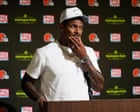
In the theater of professional football, the line between hero worship and public flagellation is famously thin, but in Cleveland, it has curdled into something far more toxic. On a sweltering Saturday afternoon, during a lackluster 31-7 preseason capitulation to the Buffalo Bills, the cavernous lakefront stadium did not merely sigh at a stalled offense; it roared with a focused, visceral rejection of its own quarterback. Deshaun Watson, the $230 million centerpiece of the Cleveland Browns’ desperate bid for relevance, stood on the sideline and listened to the cascading jeers of his own constituency. To Watson, the chorus of disapproval was not the standard grumbling of dissatisfied ticket-holders, but something far more intimate. "Disrespectful," he would later call it, labeling the hostility "personal"—a rare, raw admission of vulnerability from a figure whose very presence in Ohio has been defined by a cold, transactional pragmatism.
To understand the vitriol echoing through the Dawg Pound is to understand the Faustian bargain Cleveland struck in 2022. When the Browns' front office engineered a fully guaranteed, historic quarter-billion-dollar contract to acquire Watson from Houston, they did so under the dark shadow of more than two dozen civil lawsuits alleging sexual assault and misconduct. The move was a calculated gamble that elite talent could outrun moral transgression. Instead, the reality has been an injury-plagued, sputtering tragedy of errors. Watson has spent more time in civilian clothes and rehabilitation clinics than in the end zone, rendering his astronomical salary a monument to sunk costs. When fans boo Watson during a meaningless exhibition game, they are not merely reacting to a poorly thrown checkdown; they are venting the accumulated frustration of a fan base that compromised its collective conscience for a savior who has, thus far, delivered only mediocrity and embarrassment.
Watson’s lamentation that the crowd's reaction has crossed into the "personal" reveals a fascinating cognitive dissonance. In the modern, hyper-monetized coliseum of the NFL, players are often treated as corporate entities, expected to absorb the psychological whims of the crowd as part of their generational compensation. Yet Watson’s plea for professional decorum suggests he still craves the uncritical adoration reserved for civic heroes, seemingly oblivious to how his off-field history has permanently severed his access to unconditional affection. By calling the reaction personal, he inadvertently hit upon the fundamental truth of his predicament: it is personal. The covenant between Cleveland and its quarterback is not a standard contract of wins and losses, but a forced marriage of convenience where the honeymoon never arrived, leaving only the bitter, loud accounting of a debt that can never be fully repaid.