Hybrids Drive Divergent Q2 U.S. Auto Sales as EV Growth Cools
The second-quarter U.S. new vehicle sales figures have revealed a stark polarization in the automotive market. While overall industry volume remained resilient, a sharp divide has emerged between manufacturers: those with robust hybrid lineups posted significant gains, while automakers lacking hybrid options faced sluggish demand. Consumers, facing high interest rates and persistent inflation, are increasingly bypassing both traditional internal combustion engines and pure battery-electric vehicles (EVs) in favor of flexible gasoline-electric hybrids.
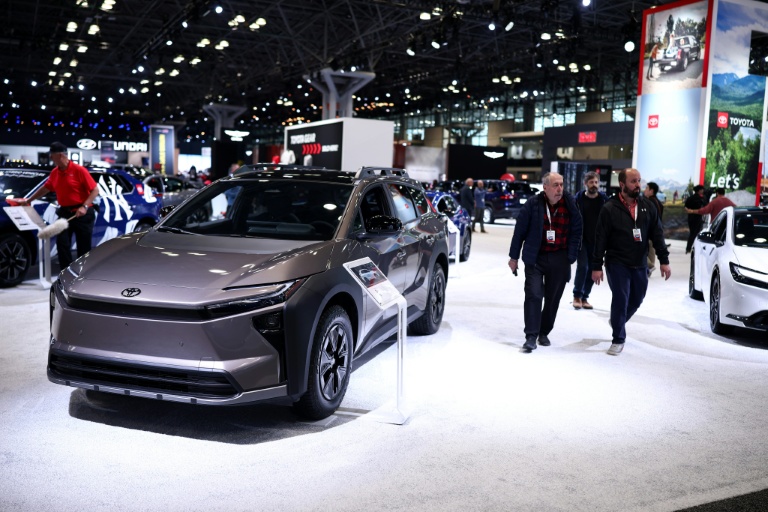
Toyota Motor North America and Honda Motor Co. emerged as standout performers during the quarter, capitalizing on their deep portfolios of hybrid vehicles. Toyota, a long-time champion of hybrid technology, reported a substantial surge in electrified vehicle sales, driven by popular models like the RAV4 Hybrid and the newly redesigned Prius. Conversely, automakers that historically prioritized a rapid, direct transition to fully electric lineups—while phasing out hybrid development—found themselves grappling with bloated dealer inventories and slower-than-expected sales velocity.
Industry analysts point to "EV fatigue" and practical consumer hurdles, such as public charging infrastructure gaps and higher upfront costs, as the primary catalysts for this trend.
> "What we are seeing is a highly pragmatic consumer base," said Michelle Krebs, executive analyst at Cox Automotive. "Buyers want fuel efficiency and lower emissions, but they are not yet ready to commit to a pure EV. Hybrids offer the perfect middle ground without the range anxiety, and automakers who anticipated this mid-decade demand are reaping the financial rewards."
This clear sales divergence is forcing global automakers to urgently recalibrate their mid-term product strategies. Companies like Ford and General Motors have recently announced plans to reintroduce or expand plug-in hybrid electric vehicles (PHEVs) in North America, pivoting away from their previous all-electric targets. As the market navigates this transition period, the ability to offer a flexible, multi-pathway powertrain lineup is proving to be the ultimate differentiator for profitability and market share in the highly competitive U.S. landscape.