Venezuelan Toddler Rescued After Six Days Under Rubble to be Cared for by Aunt
In a rescue that emergency workers are calling a miracle, two-year-old Venezuelan boy Kleiber Moran was pulled alive from the rubble on Wednesday, six days after a series of devastating earthquakes struck the region. The toddler had spent nearly 150 hours trapped beneath collapsed concrete in sub-zero temperatures before search and rescue teams successfully located and extricated him. The disaster, which has claimed tens of thousands of lives and displaced millions, has left behind unprecedented destruction, but Kleiber’s survival has provided a rare beacon of hope for search teams working under increasingly grim conditions.
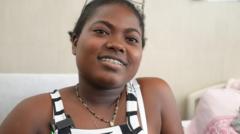
Speaking to the BBC, the boy's aunt, who has stepped forward to claim him, expressed both profound grief for their family's losses and immense relief at his survival. With Kleiber's mother among those who tragically perished in the building's collapse, his aunt vowed to raise the toddler and shield him from the tragedy as best as she can. "I will give him a mother's warmth," she said in an emotional interview, promising that the surviving members of the family would surround him with the love and security needed to heal from the profound physical and psychological trauma of the ordeal.
Key Challenges in the Rescue and Recovery Phase
- Extreme Weather: Sub-zero nighttime temperatures severely limited the survival window for victims trapped beneath the debris.
- Infrastructure Collapse: Damaged roads and blocked transit corridors initially delayed heavy machinery from reaching densely populated residential sectors.
- Displaced Communities: Migrant families, including Venezuelan nationals who had relocated to the region, face additional bureaucratic and linguistic hurdles in accessing emergency aid and tracing missing relatives.
Medical experts have noted that Kleiber's survival defies typical physiological expectations, particularly for a child of his age. Sustaining life for nearly a week without food or water in dust-choked, freezing voids is exceedingly rare and usually requires a highly specific set of environmental factors, such as being shielded from direct wind and protected by structural voids. As Kleiber undergoes critical treatment at a regional pediatric ward for dehydration, exposure, and minor injuries, international humanitarian agencies are working alongside local authorities to streamline guardianship procedures for the thousands of children orphaned by the disaster.