The Shattered Shield: Death in Kyiv as Air Defense Deficits Turn Deadly
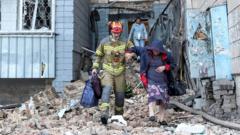
The winter sky over Kyiv has ceased to be a mere canvas of slate-grey cold; it has become a theater of existential anxiety. On Thursday, that anxiety crystallized into visceral terror as a "massive attack" shattered the morning, leaving at least fifteen dead in a brutal reminder of the conflict’s unyielding gravity. Russian missiles tore through residential high-rises and cavernous warehouses, transforming domestic sanctuaries into smoking hollows of concrete and rebar. For the residents of these targeted flats, the violence of the front line did not knock; it blew through their walls, leaving behind a grim mosaic of shattered glass, burning debris, and the quiet, devastating realization that nowhere is truly safe.
Behind the immediate horror of the casualties lies a bleak and calculated arithmetic of depletion. Ukrainian officials, standing amidst the smoldering ruins of what were once living rooms and logistics hubs, delivered a warning that was as much an indictment of international inertia as it was a plea for survival: Kyiv’s air defense shield is fraying to the point of collapse. For months, the capital has endured on a high-stakes lottery of Western-supplied interceptors. But as political gridlock chokes supply lines in foreign capitals, the defensive umbrella is tearing. Each missile that slips through the radar net is a physical manifestation of this deficit—a tragedy written in the language of logistics.
> "It is no longer a question of tactical willpower, but of raw inventory."
There is a cruel, recurring rhythm to how these tragedies are archived in the global consciousness—relegated to fleeting headlines while the survivors are left to dig through the pulverized remains of their lives. In Kyiv, the choreography of recovery is now a practiced, agonizing ritual. Rescue workers move through the skeletonized ruins of warehouses with a quiet, grim efficiency, their searchlights cutting through the thick, choking dust of plaster and ash. The citizens of this resilient metropolis carry on with a defiance that is as breathtaking as it is exhausting, navigating a city where the line between normalcy and annihilation remains as thin as the wail of an air-raid siren. The ultimate tragedy of Thursday's strike is not just the lives lost, but the knowledge that this vulnerability is entirely manufactured—a direct consequence of a world that deliberates while Ukraine bleeds.