The New Vanguard of Velocity: Inside the $500 Million Generational Shift at Monterey
The Coastal Gold Rush
Under the cool, mercurial fog that routinely rolls over the Monterey Peninsula, a quiet but seismic transfer of cultural and financial power is unfolding. Monterey Car Week, long the sanctum sanctorum of the traditional automotive aristocracy, is poised to shatter records this year, with total auction estimates flirting with an unprecedented $500 million. Yet, the true headline is not the sheer volume of capital flooding the manicured lawns of Pebble Beach and Carmel, but the hands holding the bidding paddles. A rising cohort of millennial and Generation Z collectors is aggressively displanting the baby-boomer old guard, injecting a hyper-digitized, fiercely contemporary energy into a market once defined by brass-era relics and post-war Italian grand tourers.
```
"We are witnessing a profound recalibration of what constitutes a classic. The digital generation is buying the posters that hung on their bedroom walls, and they have the capital to reshape the market in their image."
```
From Chrome to Carbon Fiber
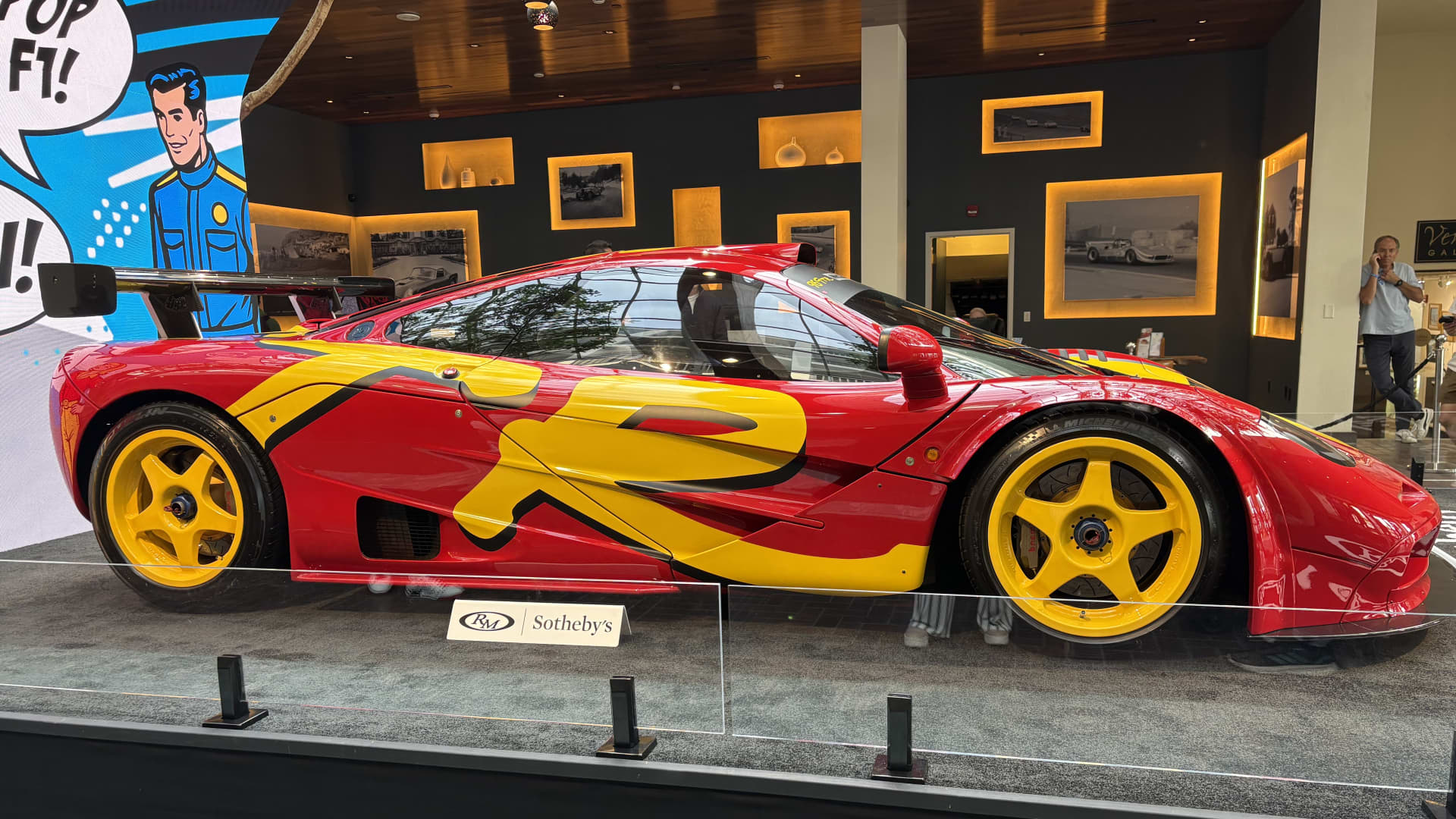
This is not merely a shift in demographic statistics; it is a fundamental rewriting of the collector aesthetic. Where silver-haired connoisseurs once rhapsodized over the sublime, hand-beaten curves of 1950s Ferraris or the fastidious restoration of pre-war Packards, this younger, high-net-worth vanguard is chasing a different, sharper high. They are bidding up the icons of their youth—analog supercars from the late 1990s and raw, visceral hypercars of the early 2000s. To this new class of curators, a Porsche Carrera GT, a manual Lamborghini Murciélago, or a Bugatti Veyron represents the zenith of mechanical poetry: the final, glorious gasp of analog engineering before the quiet, standardized epoch of electrification and autonomous driving.
Kinetic Sculpture for a Digital Age
The financial alchemy driving these half-billion-dollar projections reflects a broader cultural realignment. Many of these younger bidders, having amassed fortunes through technology ventures, decentralized finance, and modern creative industries, view the automobile not as a static museum piece to be cloistered away in a climate-controlled vault, but as kinetic sculpture. In the high-stakes theater of the auction tents, the traditional metrics of provenance are being recalibrated. Originality and digital-era cultural relevance now command premiums that rival, and occasionally eclipse, the storied racing lineages of the mid-century. As the hammer falls on multimillion-dollar modern legends, Monterey ceases to be a nostalgic look backward, revealing itself instead as a mirror to the fast-paced, high-concept future of global luxury.