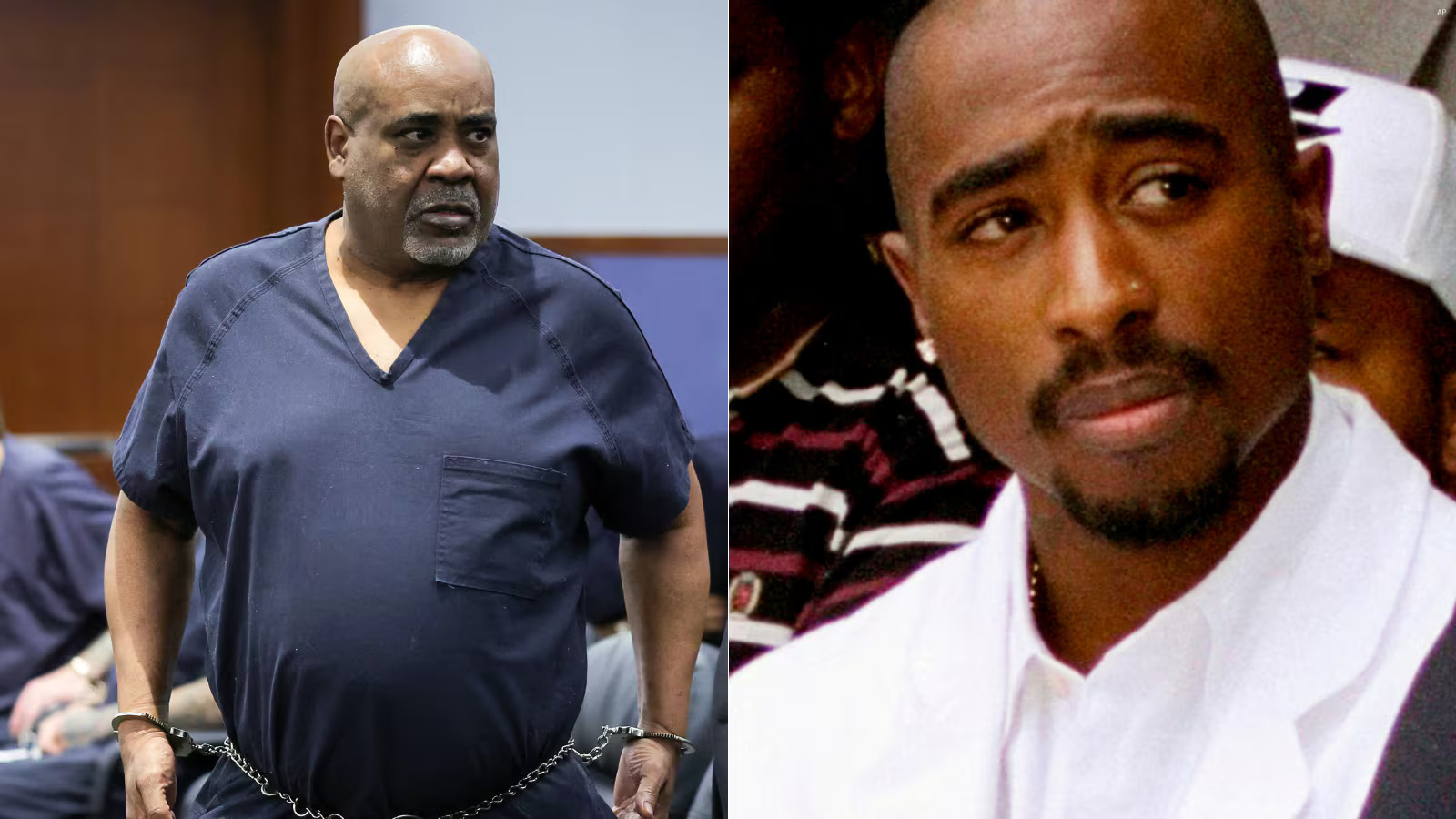
The Reckoning of a Compton Legend: Inside the Trial of Duane 'Keffe D' Davis
Nearly three decades after the hot September night in 1996 when gunfire on the Las Vegas Strip forever altered the trajectory of American music, a courtroom in that same neon-drenched desert has finally set its sights on a ghost of the past. The trial of Duane "Keffe D" Davis, the 63-year-old former South Side Compton Crips kingpin, commenced on Monday with a quiet gravity that stood in stark contrast to the loud, mythic tragedy of Tupac Shakur’s death. Entering a plea of not guilty, Davis sat not as the formidable street general of hip-hop’s most violent epoch, but as an aging man confronting the echoes of a history he spent years recounting, perhaps too eagerly, to anyone who would listen.
For decades, the assassination of Tupac Shakur existed in a suspended state of cultural folklore—an unsolved martyrdom that fueled endless conspiracy theories, documentaries, and an almost religious reverence. Yet, the undoing of this mystery did not emerge from a sudden breakthrough in forensic science, but from the peculiar hubris of the suspect himself. Davis, the sole surviving occupant of the infamous white Cadillac from which the fatal shots were fired, eventually transformed his silence into a commodity. Through a self-published memoir, talk-show appearances, and YouTube interviews, he spoke of that fateful night with a chillingly casual familiarity, seemingly convinced that an old federal proffer agreement shielded him from state prosecution. It is a profound irony of the modern media landscape that the state’s most damning evidence may well be the defendant’s own voice, preserved in high-definition digital amber.
> "In the sterile, fluorescent light of the courtroom, the romanticized patina of the 1990s West Coast rap wars is stripped away, revealing a grim, transactional cycle of street violence."
As the prosecution begins to unpack its case, the trial promises to be less of a whodunit and more of a bleak autopsy of a bygone era's pathology. The state does not contend that Davis actually pulled the trigger—that act has long been attributed to his late nephew, Orlando Anderson—but rather that Davis was the operational mastermind, the provider of the weapon, and the architect of a retaliatory strike. In this legal arena, the defense must now attempt the Sisyphean task of reframing Davis’s decades of boasting as mere street-theater bravado and commercial embellishment. For a culture still haunted by the loss of its most incandescent icon, the proceedings represent more than a legal formality; they are a belated, somber reckoning with the violent currents that swallowed a generation of genius.