The Illusion of the Deal: Netanyahu’s Defiance and the Limits of Trumpian Diplomacy
In the theater of modern geopolitics, where alliances are often forged in the crucible of mutual convenience and fractured by the stubborn intrusion of historical reality, the sudden friction between Donald Trump and Benjamin Netanyahu offers a masterclass in ideological collision. The former American president’s proposed 15-point blueprint for Gaza—a document replete with the transactional optimism and real-estate-inflected pragmatism characteristic of Trumpian diplomacy—has met an impenetrable wall of Israeli security orthodoxy. Prime Minister Netanyahu’s swift, public dismissal of the plan underscores a profound divergence: where a resurgent Washington sees a complex deal waiting to be brokered, Jerusalem perceives an existential campaign that cannot be resolved with a stroke of a pen or a televised handshake. For Netanyahu, the political survival of his fragile coalition, and indeed his vision of Israel’s regional dominance, remains inexorably tethered to the unyielding prosecution of the war.
At the heart of the Israeli rejection is a singular, uncompromising caveat: the Israel Defense Forces will not withdraw from the battered enclave until Hamas is "genuinely" disarmed. It is a word—"genuinely"—thick with deliberate ambiguity and heavy with strategic weight. By insisting on absolute, verifiable demilitarization as a prerequisite for any withdrawal, Netanyahu effectively dismantles any timeline imposed by foreign allies, friendly or otherwise. The Prime Minister’s rhetoric suggests that any peace plan, no matter how meticulously structured or generously funded, is merely a dangerous illusion if it leaves the embers of Hamas’s military infrastructure intact. This stance transforms the conflict from a finite military operation into an open-ended campaign of attrition, signaling to both domestic critics and international arbiters that Israel is prepared to endure diplomatic isolation rather than accept a premature exit ramp.
> "There is no substitute for total victory, and we will not compromise on the absolute disarmament of those who seek our destruction."
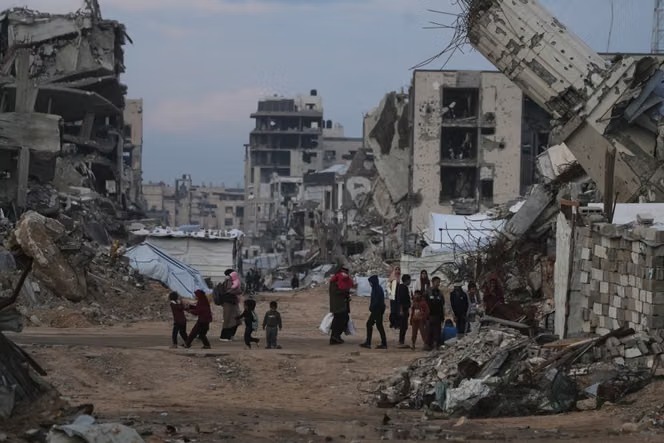
This friction exposes the limits of personal chemistry in international relations, shattering the narrative of an unbroken alliance between the two populist leaders. During Trump’s first term, the rapport between the two men was celebrated as a golden era of bilateral alignment; yet, the cold mechanics of a post-October 7 landscape have exposed the fragility of that symbiosis. Trump’s 15-point plan, designed as a swift, high-stakes resolution to stabilize the region and burnish his credentials as a master negotiator, clashes violently with Netanyahu’s need to project absolute, uncompromising strength to a traumatized and polarized Israeli electorate. As the ruins of Gaza continue to smolder, the rejection of the American proposal serves as a stark reminder that in the grim calculus of Middle Eastern security, the promise of a transactional deal will always be sacrificed on the altar of perceived survival.