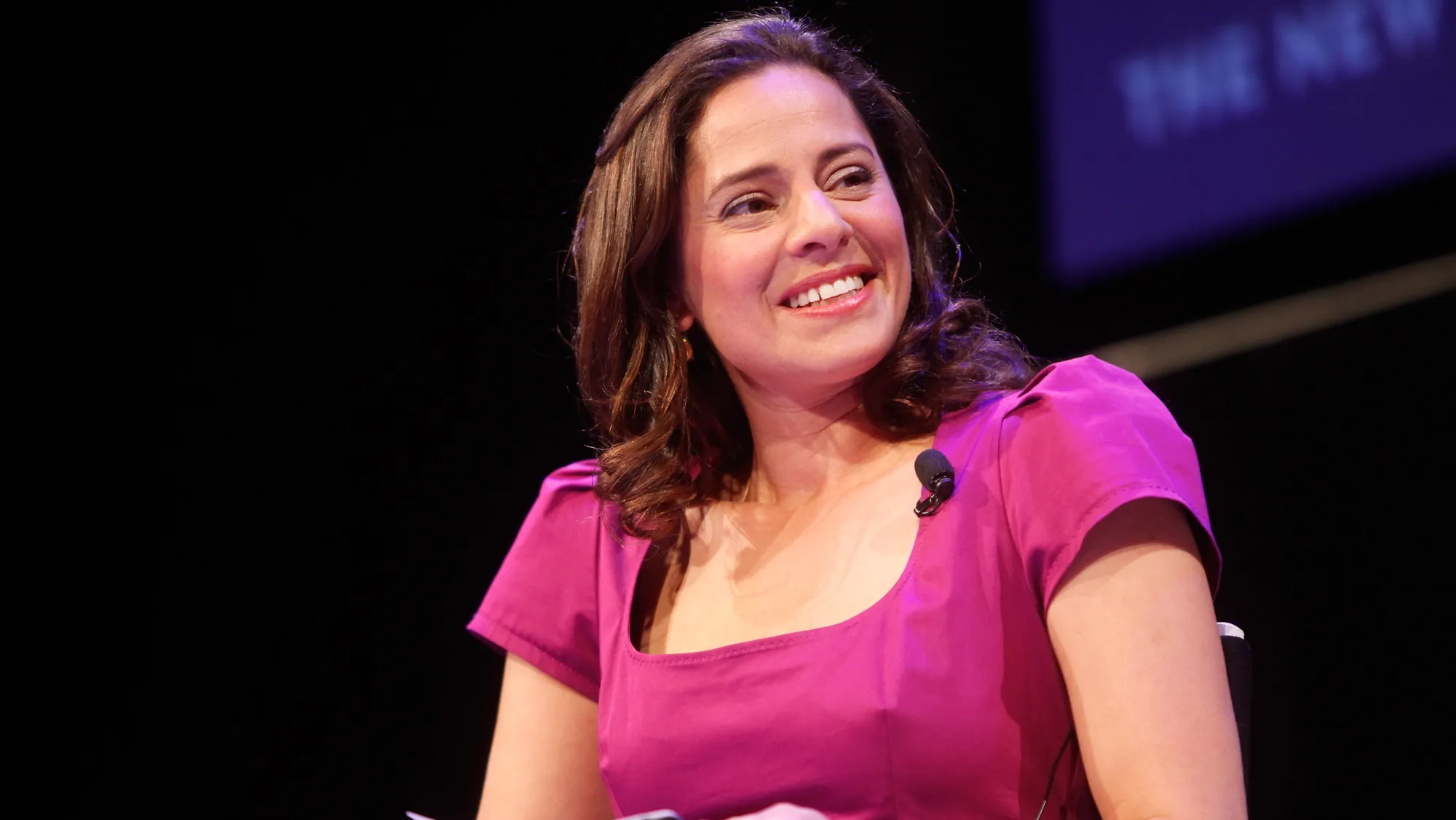
The New Sophistication of Sunday Night: Ariel Levy Joins the Broadcast Vanguard
Television’s most venerable stopwatch is ticking to a distinctly literary tempo. Ariel Levy, a writer celebrated for her razor-sharp dissections of contemporary gender, sexuality, and the fragile architecture of modern identity, is transitioning from the quiet authority of the printed page to the glowing screen. As the newest contributor to the network’s flagship Sunday evening newsmagazine, Levy brings a formidable brand of writerly gravity—a sensory, hyper-observant style honed over decades of profiling cultural provocateurs and translating complex societal shifts into deeply human narratives. It is a collision of worlds: the deliberate, slow-cooked prose of elite literary journalism meeting the urgent, high-definition glare of prime-time television.
This transition is not merely a routine hiring decision; it is a symptom of a broader, more ambitious transformation occurring behind the scenes. The legendary Sunday broadcast, long the gold standard of investigative grit and ticking-clock suspense, is seeking a richer, more cerebral texture. Under an editorial realignment aimed at capturing a fractured cultural zeitgeist—a restructuring steered by the network's editorial leadership, including figures like Bari Weiss who are actively remaking the program's intellectual DNA—the show is shifting its gaze. By bringing in a writer of Levy’s caliber, the broadcast signals an appetite for stories that cannot be easily distilled into simple political binaries, opting instead for the nuanced, psychological portraits that have defined her career.
A Master of the Human Contradiction
Levy’s body of work has always been characterized by an uncanny ability to navigate the gray areas of human behavior. Whether untangling the complexities of modern feminism, examining the lives of polarizing public figures, or writing with devastating candor about her own grief, her voice balances intellectual ruthlessness with profound empathy. On television, this perspective promises a refreshing departure from standard talking-head reportage. Her presence suggests a return to the art of the long-form, character-driven profile—a format where the interviewer’s silence is often as revealing as the subject’s confession. She does not merely interview her subjects; she reads them, capturing the telling gesture, the defensive pause, the subtle hypocrisy.
> "The goal is not to simplify, but to map the beautiful, messy terrain of how we live now."
Ultimately, this union represents a fascinating cross-pollination in an increasingly fragmented media landscape. At a time when the boundaries between legacy print journalism and broadcast media are dissolving, the arrival of a premier literary stylist to the screen offers a hopeful counter-narrative to the rapid-fire brevity of the digital age. It suggests that even in a highly visual, fast-paced medium, the power of a deeply considered, beautifully paced narrative remains supreme. As the stopwatch begins to count down her first segment, audiences will be watching to see if the elegance of the written word can translate seamlessly into the kinetic energy of television.