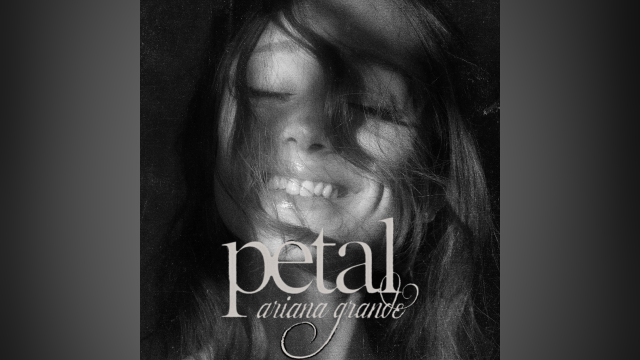
The Thorn in the Garden: Ariana Grande’s ‘Petal’ Reclaims the Rage
The architecture of pop perfectionism is built on the promise of symmetry. When Ariana Grande delivered 2024’s Eternal Sunshine, it was widely received as a masterclass in cinematic vulnerability—a soft, watercolor exorcism of heartbreak rendered in pastel synthesizers and pillowy R&B. Naturally, when it was announced that its successor, Petal, was forged by the exact same insular triumvirate—Grande alongside her trusted, platinum-grade architects Max Martin and Ilya Salmanzadeh—the culture braced itself for a predictable "Chapter Two." We expected the gentle blooming that inevitably follows the thaw. Instead, Petal arrives not as a soft landing, but as a jagged, splendidly hostile left turn. It is an album that subverts the very idea of the pop sequel, trading the defensive grace of its predecessor for an abrasive, angular brilliance.
The title Petal acts as a brilliant feint. In the hands of a lesser auteur, such a moniker would yield songs of fragile resilience and delicate introspection. Here, however, the petal is less an organ of a flower than it is a blade. Working within their tightly locked creative fortress, Grande, Martin, and Salmanzadeh have dismantled the polished sheen of their signature sound to construct something far more severe. The beats are urgent, punctuated by staccato rhythms and industrial edges that feel closer to post-punk minimalism than traditional Top 40 radio. Grande’s vocal delivery, historically celebrated for its gravity-defying melismas and whistle tones, is weaponized here with a cold, rhythmic precision. She sings with her teeth bared, her soprano clipped and grounded in a register that feels intimately, almost uncomfortably, physical.
> "By keeping the creative circle strictly insular, Grande hasn't just avoided the sophomore slump of her era; she has built a private theater of war."
In the taxonomy of modern celebrity, female anger is rarely allowed to be genuinely ugly; it is almost always repackaged as empowerment or distilled into digestible, redemptive therapy-speak. Petal rejects these polite parameters. There is a thrilling toxicity to the emotional landscape Grande navigates across these tracks—a refusal to offer the listener the comforting catharsis of a happy ending. Instead, she interrogates the media’s insatiable appetite for her narrative, turning the camera back on the spectators with a sneering, intellectual polish. The songwriting is sharp and unsentimental, trading the wistful longing of Eternal Sunshine for a cold-eyed assessment of survival in the public eye.
Ultimately, Petal succeeds because it refuses to apologize for its own friction. By limiting her collaborators to the two men who understand the mechanics of her voice better than anyone else, Grande has achieved something rare in the modern pop landscape: a record that feels entirely untethered from focus groups and streaming algorithms. It is a testament to what happens when the world’s most pristine vocal instrument is intentionally tuned to the frequency of a buzzsaw. In refusing to play the victim or the victor, Grande has embraced a far more fascinating role—that of the antagonist in her own beautiful, chaotic drama.