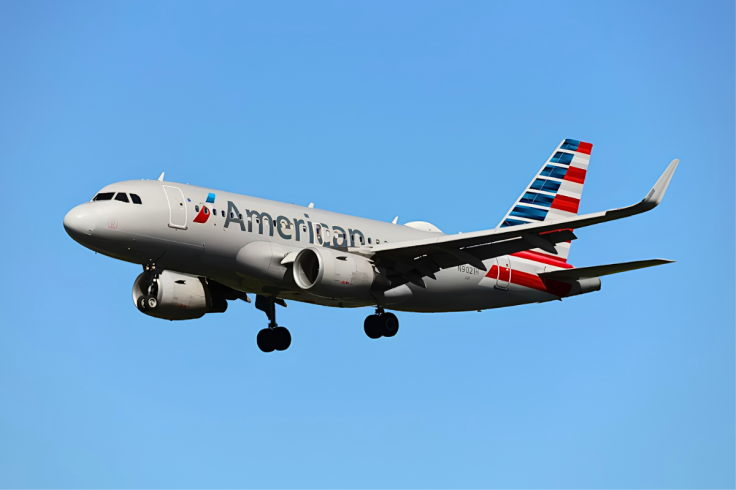
The Sky’s New Ledger: Why American Airlines Ended the Era of the Earned Upgrade
For a certain class of modern nomad, the frequent flyer program was once a secular covenant. To endure the indignities of modern commercial aviation—the sterile purgatory of the terminal, the invasive theater of security, the ambient anxiety of the gate—was to enter into an unspoken pact: sacrifice your spine and your schedule to a single carrier, and eventually, the velvet rope would part. But American Airlines has quietly dismantled a cornerstone of this transactional theology. In a move that signals the final, unceremonious death of the "earned" upgrade, the carrier will no longer offer its elite loyalty members complimentary transitions from economy to business class on its longest, most prestigious domestic routes. Those transcontinental crossings—the grueling, five-to-six-hour corridors linking New York to Los Angeles and San Francisco—are no longer realms of potential grace for the loyal road warrior. They have been reassigned to the cold, uncompromising logic of the balance sheet.
The decision is less a sudden pivot than the logical culmination of a decade-long industry crusade to monetize every cubic inch of cabin air. For years, premium transcontinental routes have functioned as the glittering crown jewels of domestic travel, featuring lie-flat seats and curated dining designed to mimic the opulence of international first class. In the current landscape of aviation, however, airlines have discovered an intoxicating truth: luxury is no longer something to be bartered for points; it is something travelers will pay liquid cash to secure. By reserving these premium berths exclusively for paying passengers, American Airlines is adjusting to a market where the affluent leisure traveler has happily supplanted the corporate expense account. Why bestow a coveted lie-flat sanctuary upon a loyal Executive Platinum flyer traveling on a discounted economy ticket when a tech entrepreneur or bicoastal creative is willing to swipe a credit card for the full retail price?
> "The cabin partition has become less of a fluid boundary and more of a permanent class divide."
This policy shift exposes the profound asymmetry inherent in modern corporate "loyalty." To the road warrior—the consultant who spends half a lifetime in the middle seat of an Airbus, accumulating miles like a grim badge of honor—the complimentary upgrade was never merely a comfort; it was a form of back-pay. It was the promise that the indignity of the present would eventually yield to the dignity of the front of the cabin. Now, those accrued miles and tiers feel increasingly like a currency suffering from hyperinflation, systematically devalued by corporate treasuries that prefer the immediacy of cash-in-hand. It is a microcosm of a broader cultural shift: the democratization of discomfort for the masses, paired with the absolute, uncompromising privatization of comfort for the ultra-wealthy.
Ultimately, the sky has ceased to be a meritocracy of miles and has returned to what it was at the dawn of the jet age: a playground governed strictly by capital. As the curtain falls on complimentary transcontinental upgrades, the airline cabin reflects a familiar earthly reality, where status is no longer earned through loyalty, but purchased outright. For the modern traveler, the message from the carrier’s Fort Worth headquarters is unmistakable: your devotion is appreciated, but only your cash is sovereign.