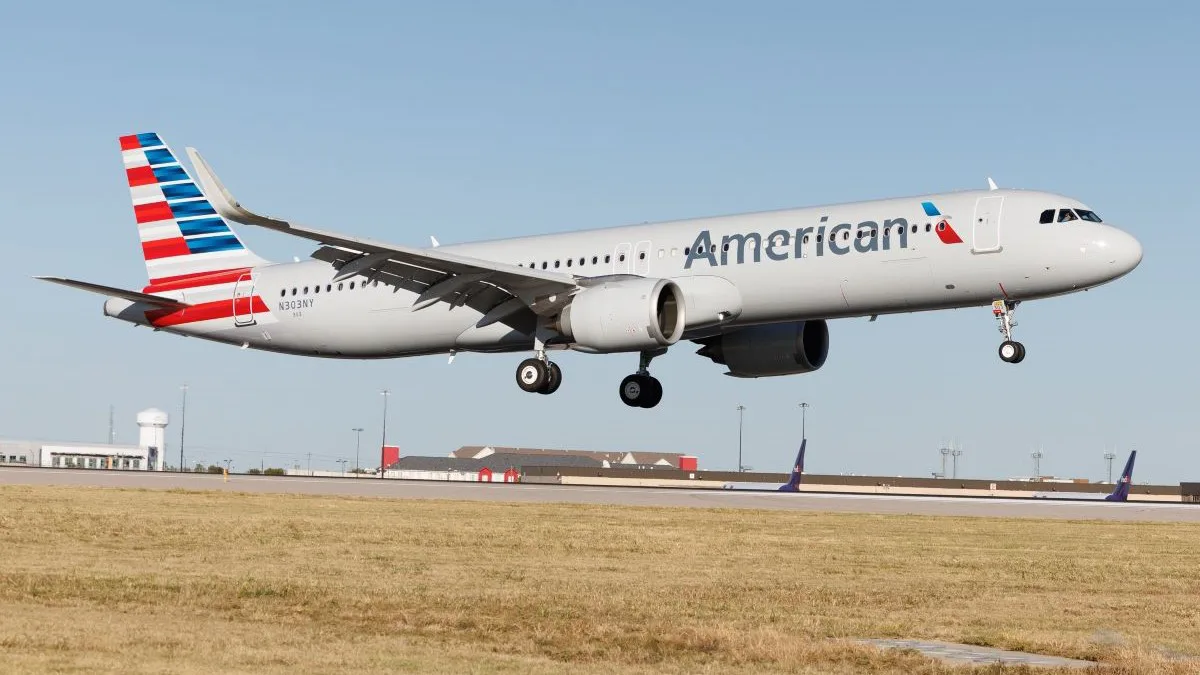
The Narrowing of the Atlantic: American Airlines and the Era of Precision Aviation
For decades, the transatlantic flight was defined by grand scale—cavernous, twin-aisle giants roaring across the ocean, depositing hundreds of passengers at a time into the sprawling concourses of Europe’s mega-hubs. But American Airlines’ newly unveiled schedule for 2027 signals a quieter, sharper revolution. By deploying a suite of seven new international routes serviced by the highly anticipated Airbus A321XLR, the carrier is wagering on a future where intimacy triumphs over scale. Operating primarily out of Philadelphia’s underrated gateway and the perennial crucible of New York, these routes bypass the exhausted, over-trafficked runways of Heathrow and Charles de Gaulle in favor of Europe's secondary jewels—cities whose charm lies in their relative preservation from the homogenizing effects of mass tourism.
At the heart of this repositioning is the XLR itself—a narrow-body, single-aisle marvel engineered to stretch the limits of fuel efficiency and range. It is an aircraft designed for an era of precision. In aviation circles, the XLR represents a fascinating paradox: it offers the reach of a titan with the operating costs of a commuter workhorse. For American Airlines, this economic alchemy unlocks destinations that were previously financially unviable for wide-body service. It is a calculated gamble that the modern traveler, weary of the chaotic choreography of mega-terminal transfers, will eagerly trade the sprawling cabin architecture of a Boeing 777 for the frictionless allure of a direct path to the continent’s quieter corners.
> "The future of long-haul travel belongs not to the grand hub, but to the curated direct route—a shift from mass transit to targeted arrival."
This structural pivot reflects a deeper cultural drift in the anatomy of contemporary leisure. The sophisticated traveler no longer seeks the monolithic itinerary of the mid-century "Grand Tour"; instead, the appetite has shifted toward the bespoke, the provincial, and the deliberately understated. By anchoring this expansion in Philadelphia—a hub long poised to capture the overflow of the congested Northeast corridor—American is quietly rewriting the cartography of American departure. When these single-aisle vessels take to the skies in 2027, they will carry more than just passengers; they will carry a new philosophy of flight, one that suggests the world is not getting smaller, but rather, infinitely more specific.