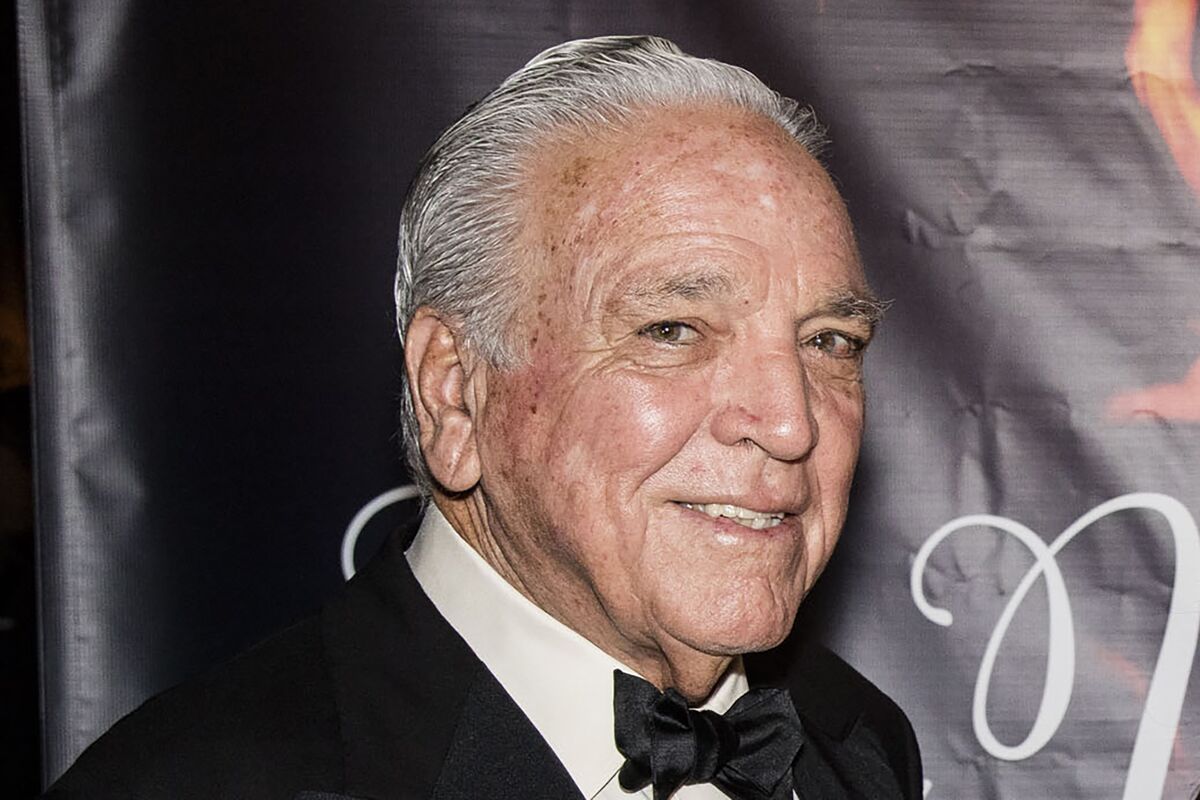
The Last Emperor of the Glades: Alfonso Fanjul Jr. and the Architecture of American Sugar
With the death of Alfonso "Alfy" Fanjul Jr. at the age of 89, an era of gilded industrial dynasties and raw geopolitical influence draws its final breath. Fanjul did not merely trade in sugar; he ruled over a vast agrarian fiefdom that stretched from the manicured lawns of Palm Beach to the dark, fertile muck of the Florida Everglades, and outward to the breakfast tables of the world. Alongside his brother, José "Pepe," Alfy reconstructed a lost Cuban dynasty on American soil, transforming the bitter trauma of Fidel Castro’s 1959 expropriation into a multi-billion-dollar empire of sweetness. At its zenith, their conglomerate, Florida Crystals, acquired the iconic Domino and C&H brands, positioning the family as the undisputed sovereigns of the world’s largest cane sugar refining apparatus. Alfy was a patrician figure of the old school: quiet, impeccably tailored, and possessing a gravity that could shift the axis of American trade policy with a single whisper.
```
"We lost our country, we lost our homes, we lost everything. But we didn't lose our ability to work."
— The Fanjul Creed
```
The Fanjuls’ true genius lay not just in agronomy, but in the calculated cultivation of political capital. In the theater of Washington, they operated with a dual-hemisphere strategy that became the stuff of bipartisan legend: Alfy courted the Democrats, becoming a trusted confidant and rainmaker for Bill Clinton, while Pepe funded the Republican establishment. This formidable bipartisan shield protected the highly lucrative federal sugar program, insulating their empire from the volatile shifts of the global free market. Yet, this political gilding was constantly tested by the friction of its operating realities. Beyond the high-walled estates of Palm Beach lay the brutal, sun-drenched realities of the sugarcane fields, where for decades the family faced intense scrutiny over the treatment of West Indian guest workers and the ecological degradation of the Everglades. To his critics, Fanjul was a modern-day feudal lord who socialized his costs and privatized his profits; to his defenders, he was the ultimate survivor of history’s cruelest disruptions.
With Fanjul’s passing, a distinct chapter of the Cuban-American saga draws to a close. He belonged to a generation of exiles who did not merely assimilate into the American fabric, but reshaped its economic and political landscape in their own image. He carried the aristocratic ghosts of pre-revolutionary Havana into the boardrooms of Wall Street and the salons of Washington, proving that power, once lost, could be replanted and harvested anew. His legacy remains crystallized in the pure white grains that fill billions of paper packets worldwide—an empire built on the paradox of a commodity that is at once pedestrian, highly contested, and deeply sweet. As the crown passes to a new generation of Fanjuls, the dynasty stands as a monument to what can be achieved when absolute determination meets the fertile, subsidized soil of the New World.