Aftershock Frays Nerves as Many Venezuelans Left to Fend for Themselves
A series of powerful aftershocks has sent waves of panic through communities in northern Venezuela, compounding the devastation left by twin earthquakes that struck the region earlier this week. With state infrastructure severely strained and official rescue services struggling to reach the hardest-hit municipal areas, local residents have been forced to take disaster response into their own hands. The psychological toll is mounting as families camp in the streets, terrified to return to compromised concrete structures that rattle with every subsequent tremor.
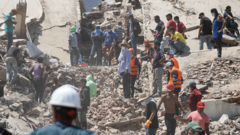
In the worst-affected neighborhoods, the absence of heavy machinery and specialized search-and-rescue teams has yielded scenes of desperate solidarity. Citizens are forming human chains to clear debris, utilizing whatever rudimentary tools they can find. "We have no choice but to dig," said Carlos Mendoza, a resident of a severely damaged coastal town, who has been working alongside neighbors since the initial shocks. "There are still people missing under these collapsed walls. We are using crowbars, pickaxes, and our bare hands to try to reach survivors because nobody else is coming."
The crisis highlights the acute vulnerability of Venezuela’s public services and infrastructure, which have suffered from years of economic stagnation and underinvestment. While the government has pledged to deploy emergency units, the reality on the ground is one of severe logistical bottlenecks. Fuel shortages, a lack of functioning emergency vehicles, and disrupted communication networks have isolated remote towns, leaving them entirely self-reliant in the critical first 72 hours of the disaster. Historically, seismic events in Venezuela—such as the devastating Cariaco earthquake of 1997—have exposed severe building code vulnerabilities, a problem that experts warn has only worsened due to unregulated, informal construction in recent decades.
As the search for survivors continues under precarious conditions, meteorological and geological experts warn that significant aftershocks could persist for days, if not weeks. Humanitarian organizations are calling for immediate international assistance to provide clean water, medical supplies, and temporary shelters to prevent a secondary health crisis. For now, the immediate survival of hundreds of families rests solely on the resilience of local communities left to navigate one of the country's worst natural disasters in recent memory.